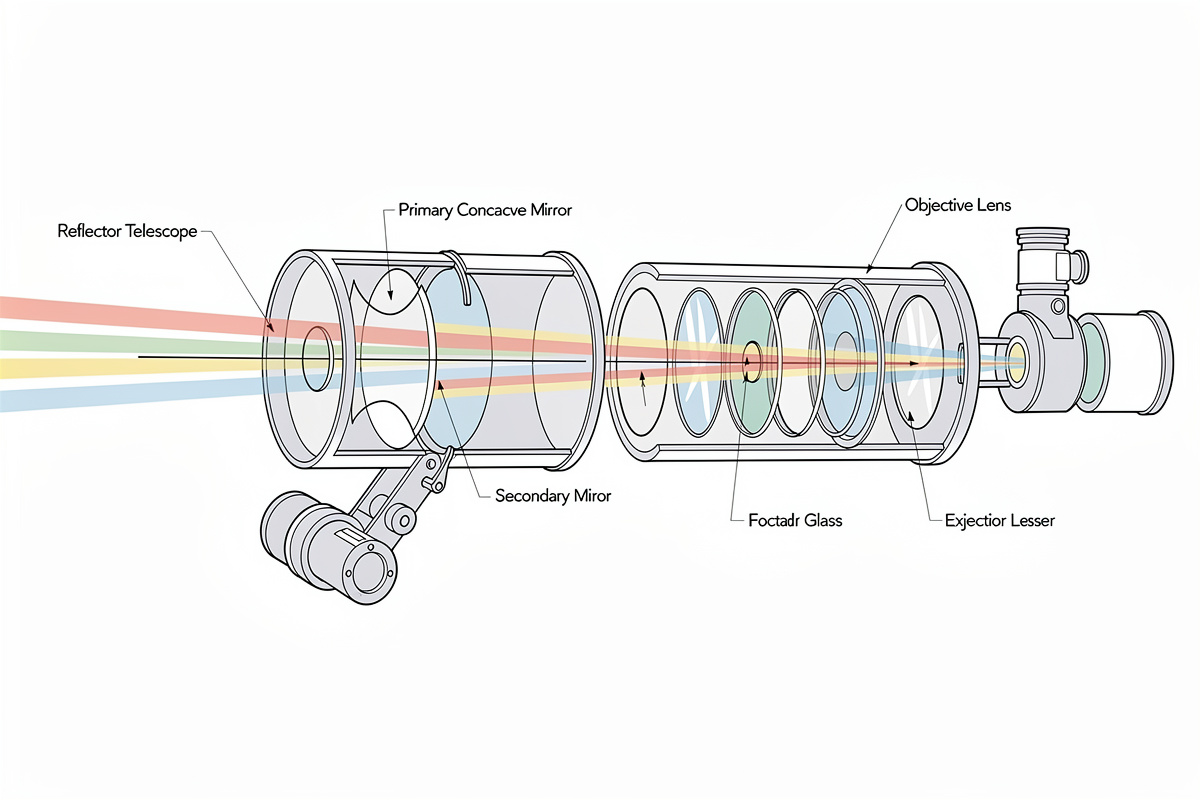

Reflector telescopes use mirrors to gather light and cost 3-5x less per inch of aperture than refractor telescopes, which use lenses. A 6-inch reflector costs $300-500 while a 6-inch refractor costs $3,000-8,000. Reflectors provide more light-gathering power for visual astronomy on a budget. Refractors produce sharper, higher-contrast images with zero maintenance and dominate astrophotography and planetary observation where image quality per inch matters more than raw aperture.
The reflector vs refractor choice determines your entire telescope experience — what you observe, how much you spend, and how much maintenance you perform. Neither design is universally better. Understanding where each excels and where each falls short ensures you buy the right telescope for your specific goals rather than the one that sounds most impressive on paper.
How Reflector Telescopes Work
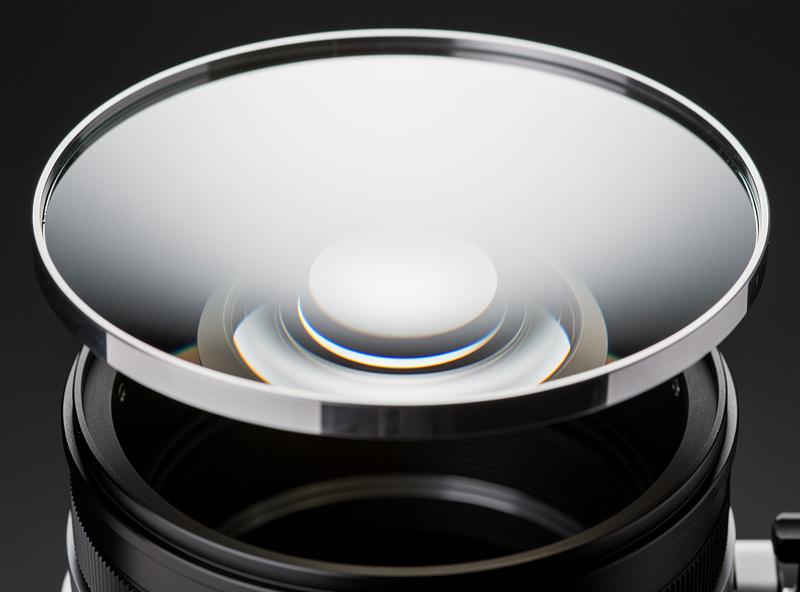
Newtonian reflectors use a concave parabolic primary mirror at the bottom of an open tube to collect starlight. A small flat secondary mirror near the top of the tube redirects the converging light beam 90 degrees to an eyepiece mounted on the tube’s side. This two-mirror design produces a single reflection (100% mirror coatings reflect 94-99% of light per bounce), delivering bright images with minimal light loss.
The mirror is made of low-expansion glass (Pyrex or equivalent) coated with a thin aluminum layer. Manufacturing a mirror costs 5-10x less than manufacturing an equivalent lens because grinding a single optical surface (mirror) is simpler than grinding, polishing, and coating four or more surfaces (each lens element in a refractor). This cost advantage is why a 10-inch reflector ($500-800) costs less than a 4-inch refractor ($400-800).
Reflector advantages include no chromatic aberration (mirrors focus all wavelengths at the same point), lower cost per inch of aperture, and simpler optical design. A 10-inch reflector collects 156% more light than a 6-inch — at $500-800, it is the largest aperture most amateurs can afford and transport.
Reflector disadvantages include the need for periodic collimation (mirror alignment), open tube designs that collect dust, coma (star distortion at the field edge in fast focal ratios), and a central obstruction from the secondary mirror that reduces contrast by 5-15% compared to an unobstructed refractor. For visual deep-sky observation, this contrast loss is invisible. For planetary work and astrophotography, it is noticeable.
How Refractor Telescopes Work
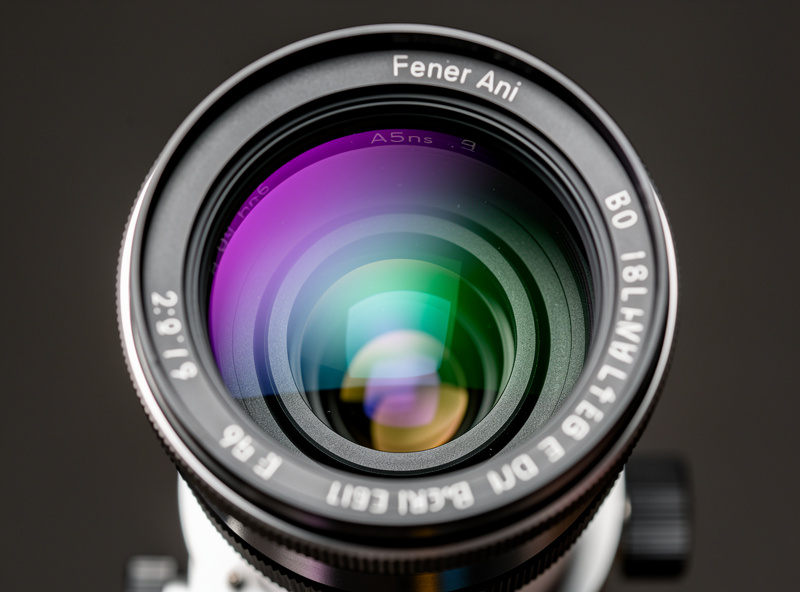
Refractor telescopes use a lens at the front of a sealed tube to collect and focus starlight directly to the eyepiece at the back. The lens (objective) bends light by refraction — different wavelengths bend at slightly different angles, which is why cheaper refractors show color fringing (chromatic aberration) around bright objects. High-quality refractors use multiple lens elements and special glass to correct this.
Achromatic refractors ($150-500) use two lens elements (crown and flint glass) that bring red and blue wavelengths to the same focus. Green wavelengths still focus slightly differently, producing a subtle green/purple halo around bright stars and planets. At f/10 or slower focal ratios, this aberration is minimal and acceptable for most visual use. At f/5 or f/6, chromatic aberration becomes severe and distracting.
Apochromatic (APO) refractors ($800-10,000+) use three or more elements with extra-low dispersion (ED) glass, fluorite crystals, or anomalous dispersion glass to bring all visible wavelengths to the same focus point. A triplet APO refractor produces zero visible chromatic aberration at any focal ratio — stars are pinpoint white dots from center to edge. These are the premium instruments for astrophotography and high-resolution planetary observation.
Refractor advantages include no central obstruction (maximum contrast), sealed tubes (no mirror cleaning), zero alignment required, instant cooldown (no mirror to equalize temperature), and compact size. The sealed tube also makes refractors ideal for dusty or humid environments where open-tube reflectors collect debris.
Reflector vs Refractor Comparison Table
| Feature | Reflector (Newtonian) | Refractor |
|---|---|---|
| Optical element | Concave mirror | Lens (2-4 elements) |
| 6-inch price | $300-500 | $3,000-8,000 |
| 8-inch price | $500-800 | $8,000-20,000 |
| Chromatic aberration | None (mirrors) | Achromat: slight / APO: none |
| Central obstruction | Yes (20-35% diameter) | None |
| Image contrast | Good (obstruction reduces 5-15%) | Excellent (no obstruction) |
| Maintenance | Collimation every few sessions | None |
| Cooldown time | 15-30 minutes | 5-10 minutes |
| Tube design | Open (collects dust) | Sealed (clean) |
| Best for | Deep-sky, budget aperture | Planets, astrophotography, grab-and-go |
| Weight (6-inch) | 15-20 lbs | 8-12 lbs |
When to Choose a Reflector
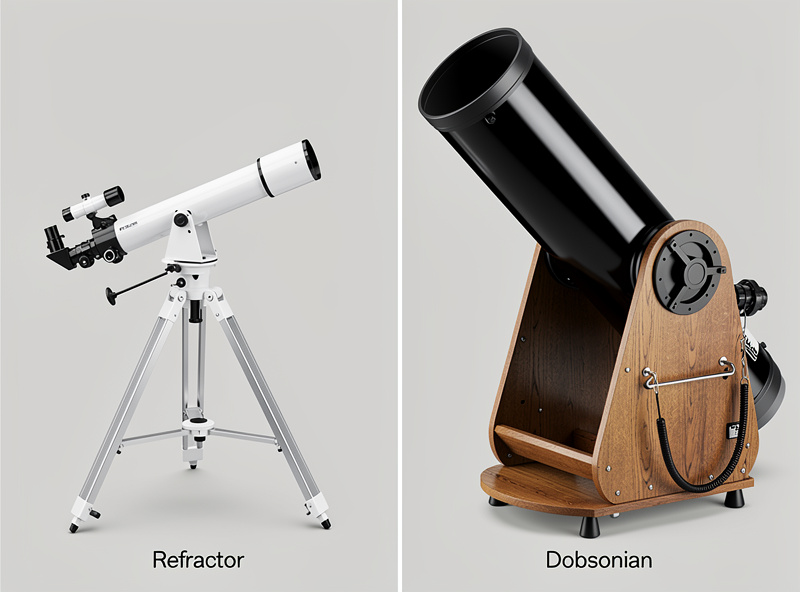
Choose a reflector when you want maximum aperture per dollar for visual deep-sky observation. A 10-inch Dobsonian reflector ($500-800) shows spiral arms in galaxies, resolution in globular clusters, and detail in emission nebulae that no refractor under $10,000 can match. If your primary goal is seeing the most objects with the most detail, reflectors win every comparison.
Reflectors are ideal for backyard astronomers who observe from one location and do not mind 10 minutes of collimation before each session. The Dobsonian mount provides stable, vibration-free views at a fraction of the cost of equatorial mounts. A 12-inch Dobsonian ($800-1,200) is the largest telescope most people can set up alone and represents the practical limit for visual-only amateur astronomy.
For observers who want to explore the Messier catalog (110 objects), the NGC catalog (7,840 objects), and beyond, aperture is the limiting factor. Many NGC objects are invisible in 4-inch telescopes and marginal in 6-inch telescopes. An 8-10 inch reflector transforms these objects from “invisible” to “clearly visible” — an experience that refractor users at the same price point cannot replicate.
When to Choose a Refractor
Choose a refractor when image quality matters more than raw aperture, when you need zero maintenance, when astrophotography is a goal, or when portability is essential. A 100mm APO refractor ($1,500-3,500) produces planetary views that rival 8-inch reflectors because the unobstructed optical path delivers maximum contrast on fine detail.
Refractors dominate astrophotography because their flat fields (especially with field flatteners), fast cooldown, and zero collimation requirement produce consistent, repeatable results. A 100mm f/7 APO refractor with a field flattener and cooled camera captures pin-point stars across the entire frame — something reflectors struggle with due to coma and collimation sensitivity.
Grab-and-go convenience is a refractor advantage that reflectors cannot match. An 80mm APO refractor on a small alt-azimuth mount weighs 8 pounds total, sets up in 2 minutes, and fits in a backpack. You can carry it to a balcony, observe Jupiter for 20 minutes, and be done. A 6-inch Dobsonian weighs 35 pounds, requires 5-10 minutes to set up, and must be carried in two trips. For impulsive observing sessions, the refractor wins.
Frequently Asked Questions
Which is better for beginners: reflector or refractor?
Reflectors are better for beginners on a budget because they provide 3-5x more aperture per dollar, showing fainter and more detailed views of galaxies and nebulae. A 6-inch Dobsonian reflector ($350-500) is the standard beginner recommendation. Refractors are better for beginners who prioritize convenience and zero maintenance over maximum aperture.
Do refractors have better image quality than reflectors?
Per inch of aperture, yes. Refractors produce higher contrast because they have no central obstruction. A 4-inch APO refractor can show planetary detail comparable to a 6-inch reflector. However, an 8-inch reflector shows more detail than a 4-inch APO because the 4x greater light-gathering overwhelms the contrast advantage of the refractor design.
Why are refractors so much more expensive than reflectors?
Refractor lenses require 2-4 precision-ground glass elements with anti-reflection coatings on each surface. A triplet APO refractor has 6 coated surfaces that must be polished to tolerances under 1/10 wavelength. A reflector mirror has one surface. The manufacturing complexity and exotic glass (fluorite, ED) in APO refractors costs 10-20x more per inch of aperture than mirror production.
Can reflectors be used for astrophotography?
Yes, but with compromises. Newtonian reflectors produce coma (star distortion) at the field edges that requires a $200-400 coma corrector. They also require precise collimation for sharp images. Refractors produce flat fields out of the box with no additional correctors. For deep-sky imaging, APO refractors and corrected SCTs are preferred over Newtonians.
How often do reflectors need collimation?
Every 2-5 observing sessions for most reflectors. Transporting the telescope (bumps in the car, carrying it outside) shifts the mirrors slightly. Collimation takes 5-10 minutes with a $20 laser collimator. Some reflectors with locked mirror cells hold collimation for months. Refractors never need collimation because the lens elements are permanently fixed in the cell.
What focal ratio should I choose?
f/4-f/6 for wide-field deep-sky observation and astrophotography (wider field of view, shorter exposure times). f/8-f/10 for planetary observation and double star splitting (higher magnification with longer eyepiece focal lengths). f/10+ for refractors optimized for planetary work. Most beginners benefit from f/5-f/6, which balances deep-sky and planetary capability.
Related Articles
- Telescope Buying Guide 2026: How to Choose Your First Telescope
- Dobsonian Telescopes: Why They Are the Best Value in Astronomy
- Best Telescopes for Beginners in 2026: Top Picks by Budget
- Astronomy for Beginners: Your Complete Guide to Stargazing
- Astrophotography Guide: Equipment, Settings, and Techniques
