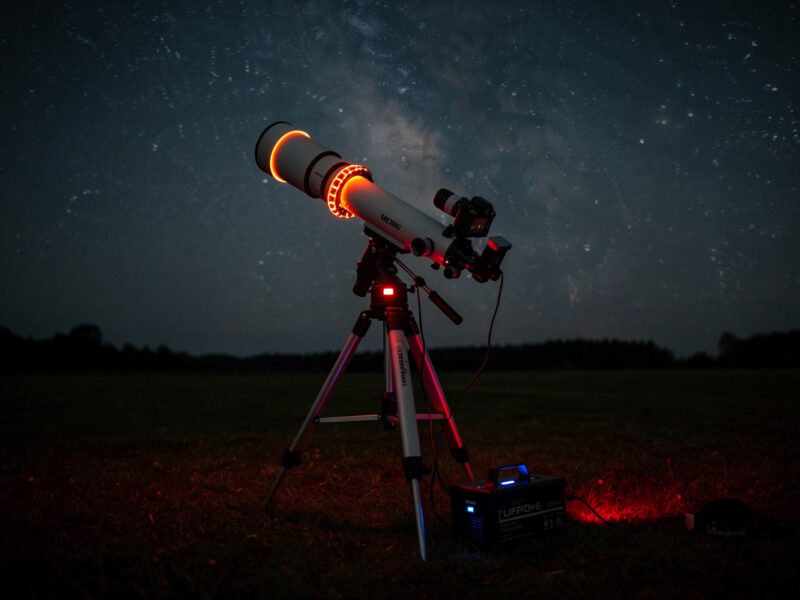
All-Night Astrophotography Power: Battery Capacity for Guiding, Dew Heaters, and Camera Cooling
An all-night astrophotography session draws roughly 200 watt-hours from a 12-volt battery — 25 watts for a dew-heater strip running…
An all-night astrophotography session draws roughly 200 watt-hours from a 12-volt battery — 25 watts for a dew-heater strip running…
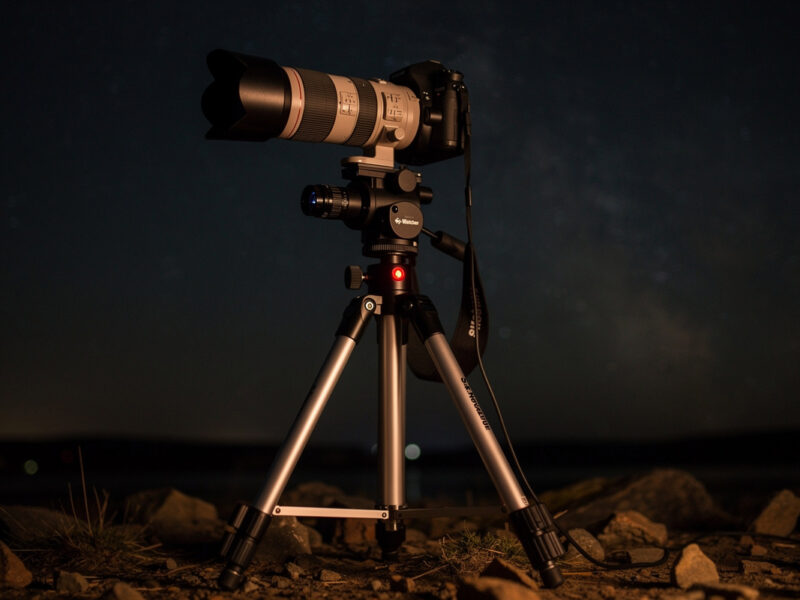
A star tracker moves your camera at the same rate the Earth rotates — 15 degrees per hour at the…
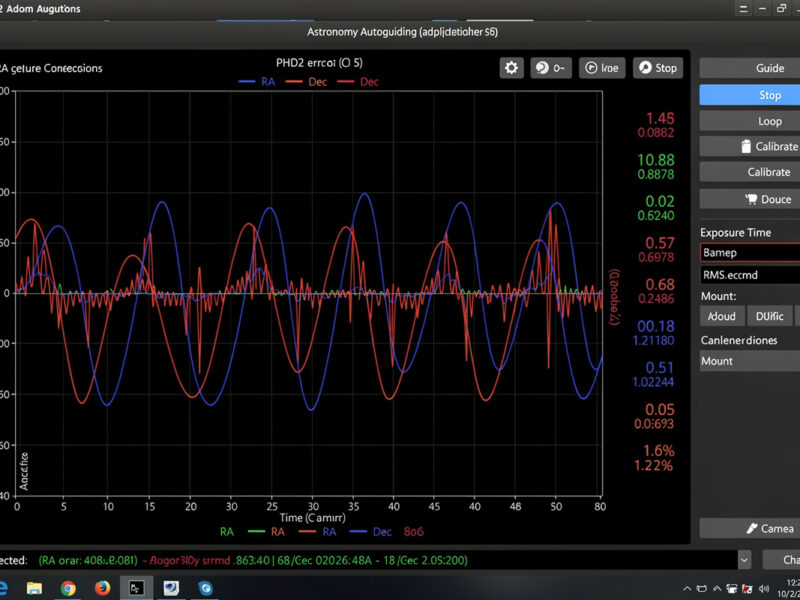
Autoguiding corrects mount tracking errors in real time during long astrophotography exposures, enabling 5-15 minute sub-exposures that reveal faint nebula…
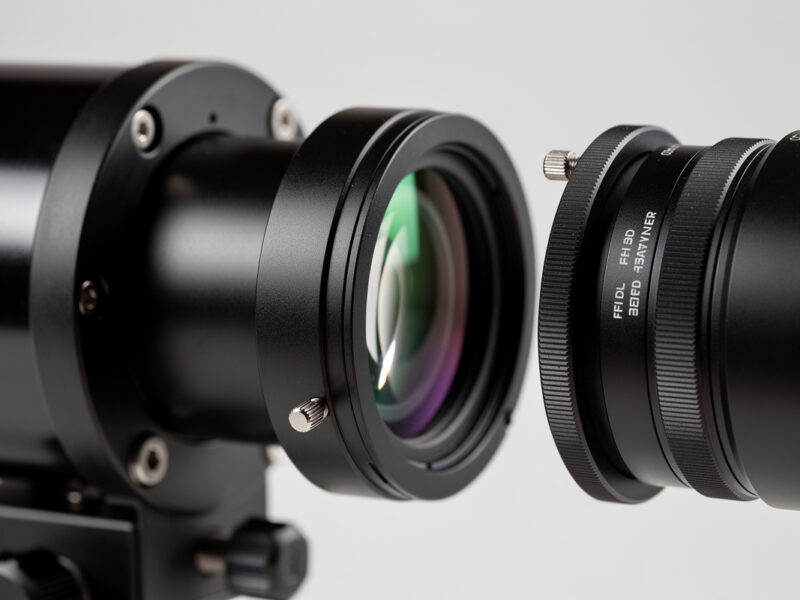
A field flattener corrects the curved focal plane that every refractor produces, turning elongated edge stars into round pinpoint stars…
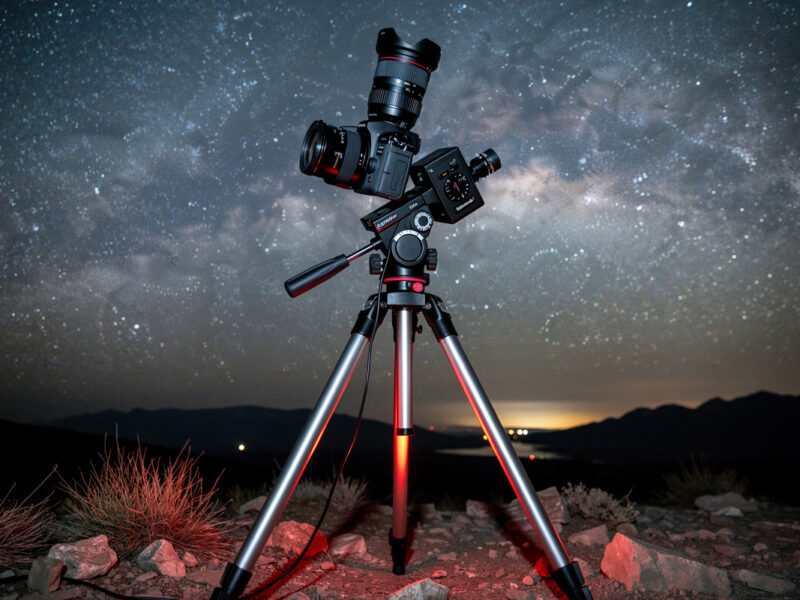
A star tracker mount rotates a camera at the sidereal rate, enabling exposures of 60-180 seconds without star trailing. The…
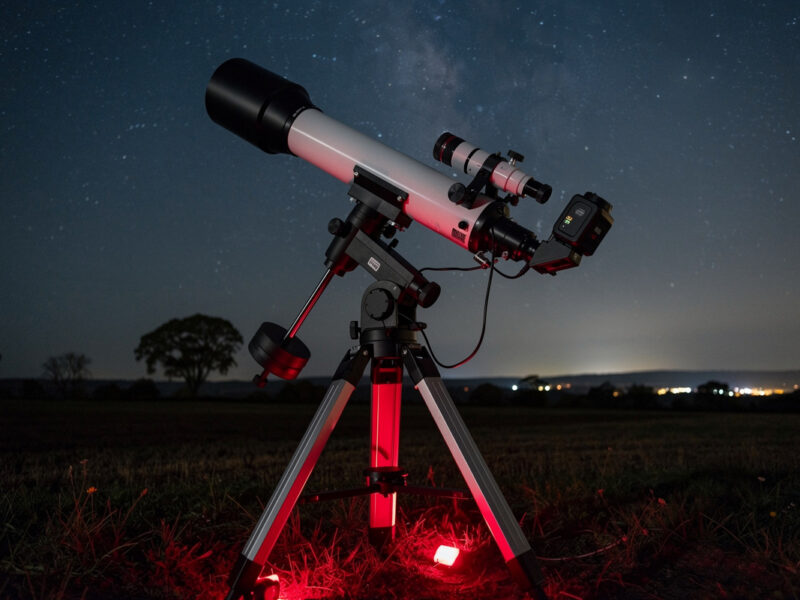
The best telescopes for astrophotography are apochromatic refractors (60-80mm, $800-2,500) for beginners and imaging Newtonians (6-8 inch, $300-800) for budget…
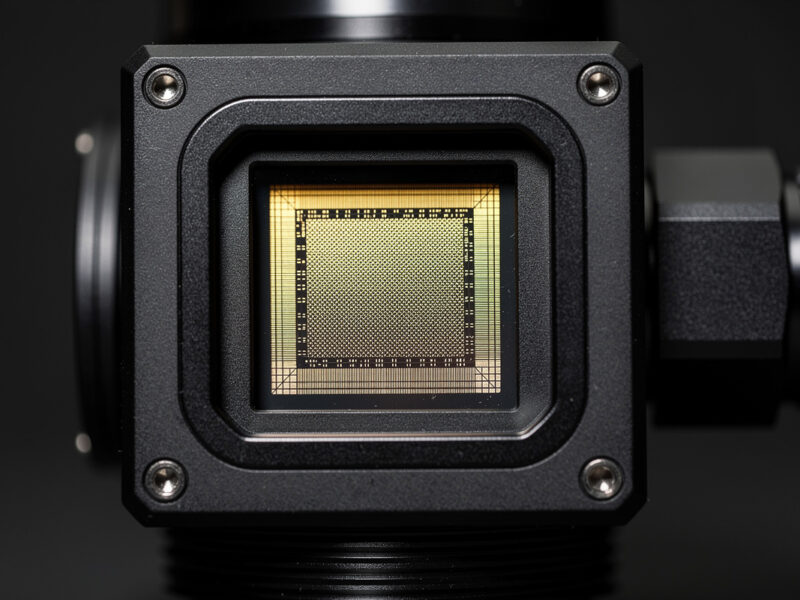
Astrophotography cameras fall into three categories: DSLR and mirrorless cameras ($300-2,000), cooled dedicated astronomy cameras ($500-5,000), and planetary cameras ($150-800)….
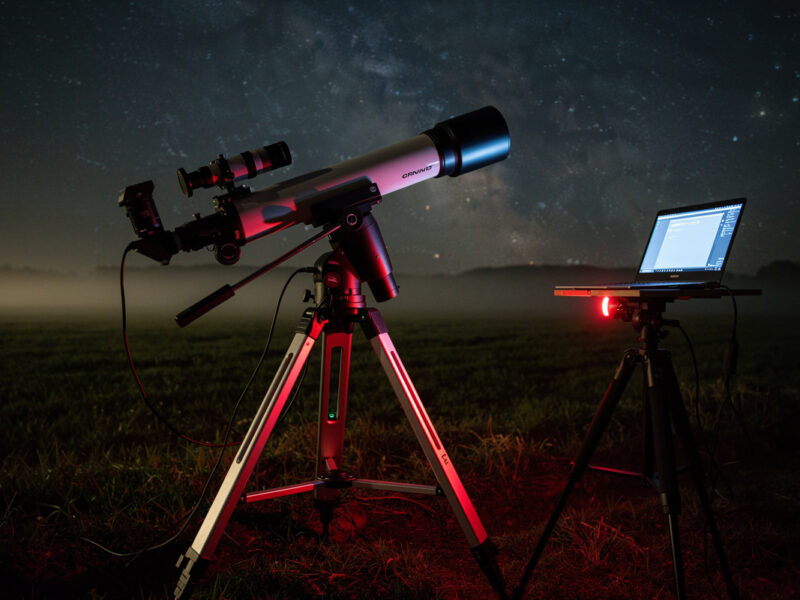
Astrophotography equipment includes a camera, telescope or lens, tracking mount, and guiding system — four components that determine image quality…
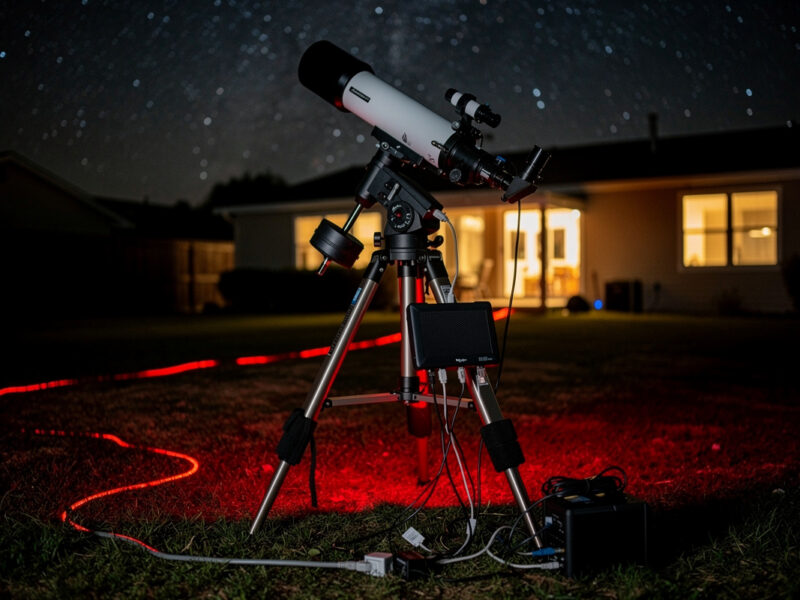
Remote astrophotography means controlling your telescope, mount, camera, focuser, and filter wheel from inside the warm house — or from…
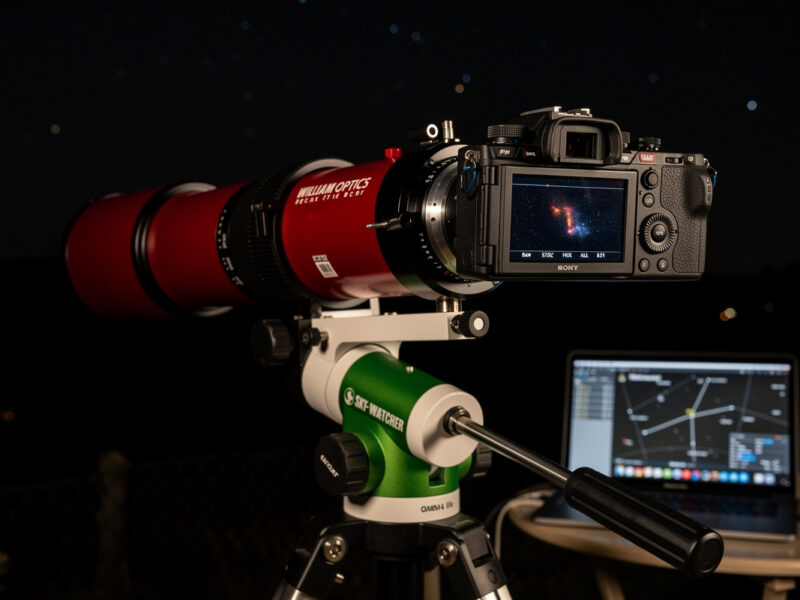
Best cameras for deep-sky astrophotography. Sensor properties, full-frame vs APS-C, stock vs astro-modified vs cooled cameras, pixel scale, and integration math.