
Understanding the Bortle Scale
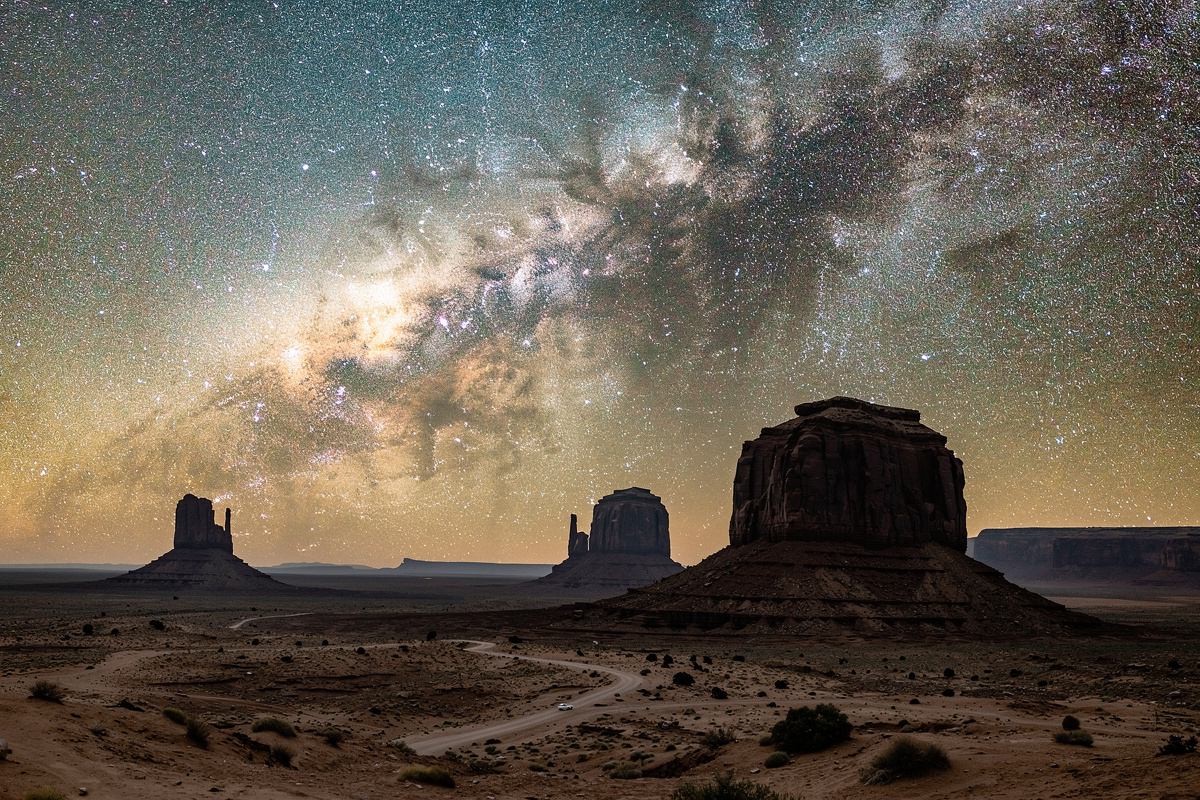
The Bortle Dark-Sky Scale, developed by amateur astronomer John Bortle in 2001, rates the darkness of a night sky on a 1-9 numeric scale. A Bortle 1 sky shows the Milky Way bright enough to cast shadows, zodiacal light stretching horizon to horizon, and thousands of naked-eye stars. A Bortle 9 sky — typical of downtown Manhattan or central London — shows fewer than 20 stars total.
Most suburban backyards fall at Bortle 6-7, where the Milky Way is invisible and limiting magnitude (the faintest star visible to the naked eye) drops to +4.0 or dimmer. Moving to a Bortle 4 rural site increases the visible star count from a few hundred to over 2,000 and makes the Milky Way a prominent, structured band across the sky. The practical difference between Bortle 7 and Bortle 4 is equivalent to upgrading from a 4-inch telescope to a 12-inch telescope in terms of deep-sky objects visible — and it costs nothing but gas money.
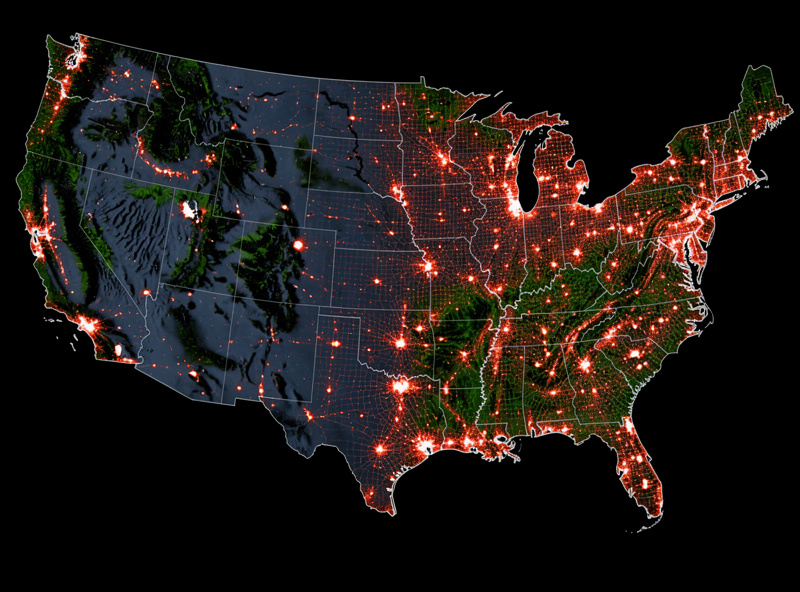
Use lightpollutionmap.info to find your current Bortle rating and identify the nearest darker zones. The site overlays satellite-measured sky brightness data on a Google Maps interface, color-coding areas from dark green (Bortle 2-3) through yellow (Bortle 5-6) to red and white (Bortle 8-9). Zoom out to find the nearest green or dark green zone and plan your route.
International Dark Sky Parks and Reserves
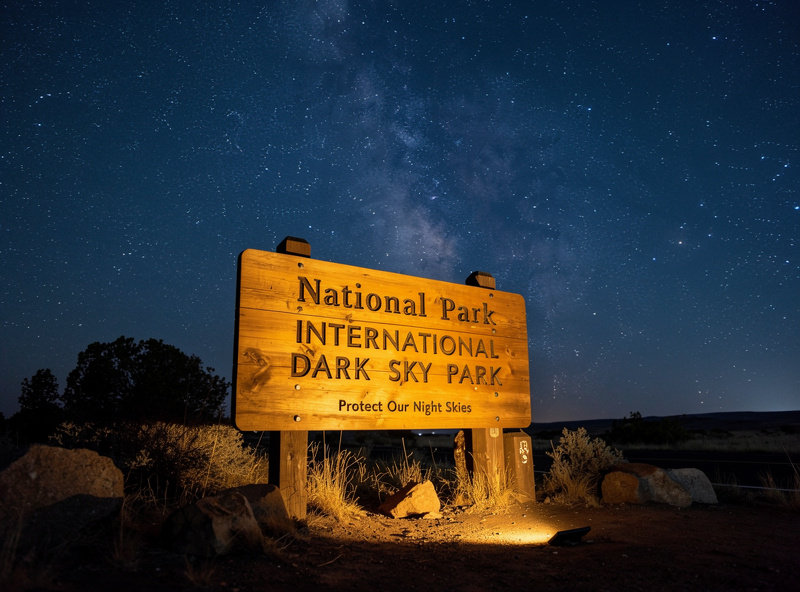
DarkSky International (formerly the International Dark-Sky Association) certifies locations that protect night sky quality through responsible lighting policies. There are three certification levels: Dark Sky Parks (public or private land of 700 km2 or less with exceptional starry skies), Dark Sky Reserves (larger protected areas with a dark core and buffer zone), and Dark Sky Sanctuaries (the most remote and protected locations on Earth).
As of 2026, there are over 200 certified International Dark Sky Places across six continents. The United States hosts more Dark Sky Parks than any other country, concentrated in the desert Southwest, mountain West, and remote areas of the Great Plains. These parks enforce strict outdoor lighting codes — shielded fixtures, warm-color LEDs under 3000K, motion sensors, and curfews — to preserve natural darkness for wildlife, human health, and astronomy.
Top 10 US Dark Sky Locations
The following locations represent the best accessible dark sky sites in the United States, each rated Bortle 2 or darker and offering visitor-friendly amenities for overnight stargazing trips.
1. Big Bend National Park, Texas (Bortle 1): The darkest measured sky in the lower 48 states. The Rio Grande Village campground provides unobstructed horizons in all directions with a limiting magnitude of +7.5. The Milky Way is bright enough to read a star chart by its light. Located 330 miles from El Paso, Big Bend receives fewer than 400,000 visitors annually, keeping the park uncrowded even during peak season.
2. Natural Bridges National Monument, Utah (Bortle 1): The first certified International Dark Sky Park (2007). Elevation 6,500 feet with dry desert air and zero nearby light sources. The Owachomo Bridge formation creates a natural frame for Milky Way photography. The 13-site campground fills quickly in summer — arrive by 2 PM or reserve in advance.
3. Grand Canyon National Park, Arizona (Bortle 2): The North Rim (open May-October) offers darker skies and fewer visitors than the South Rim. Annual star parties in June draw hundreds of astronomers with telescopes for public viewing. The canyon rim provides 180-degree views of the horizon with no light dome from any direction.
4. Great Basin National Park, Nevada (Bortle 1-2): One of the least-visited national parks (90,000 annual visitors) with some of the darkest skies. The Wheeler Peak campground at 10,000 feet elevation sits above much of the atmosphere, providing exceptional seeing conditions. The park hosts a free annual astronomy festival each September.
5. Chaco Culture National Historical Park, New Mexico (Bortle 1): Ancient Puebloan ruins under pristine dark skies. The park’s observatory offers free public viewing sessions with 14-inch and 25-inch telescopes from April through October. No services within 60 miles — bring all water and supplies.
6. Death Valley National Park, California (Bortle 1-2): The lowest point in North America (-282 feet at Badwater Basin) with an average of 192 clear nights per year. Furnace Creek and Mesquite Flat sand dunes provide unobstructed horizons. Summer temperatures exceed 120 degrees F — visit October through April.
7. Cherry Springs State Park, Pennsylvania (Bortle 2): The darkest site in the eastern US, accessible from major East Coast cities within a 5-hour drive. The park maintains a dedicated astronomy field with red-light-only policy, concrete telescope pads, and electrical hookups. Annual star parties and monthly public viewing sessions make this the best dark sky option for observers in the Northeast.
8. Glacier National Park, Montana (Bortle 2): The remote northern location limits light pollution from all directions. Lake McDonald and St. Mary provide mirror-still water reflections of the Milky Way. Short summer nights (astronomical darkness lasts only 3-4 hours in June) are compensated by pristine conditions and mountain scenery.
9. Kissimmee Prairie Preserve State Park, Florida (Bortle 2): The only certified Dark Sky Park in Florida. The vast prairie provides 360-degree horizons with no tree canopy obstruction. The dedicated astronomy pad offers electrical hookups and is reservation-only to control light usage. Best viewing October through March when humidity drops.
10. Cosmic Campground, New Mexico (Bortle 1): A designated International Dark Sky Sanctuary with the darkest measured sky in the contiguous US. The 3.5-acre site has no facilities — no water, no electricity, no restrooms — but provides unobstructed views in every direction with zero artificial light on the horizon. Free to use, first-come first-served.
Top US Dark Sky Locations Compared
| Location | Bortle | Elevation | Best Season | Amenities | Nearest City | Travel Time |
|---|---|---|---|---|---|---|
| Big Bend NP, TX | 1 | 2,000 ft | Oct-Apr | Campgrounds, lodge | El Paso (330 mi) | 5.5 hours |
| Natural Bridges NM, UT | 1 | 6,500 ft | Apr-Oct | 13-site campground | Blanding (40 mi) | 45 minutes |
| Grand Canyon NP, AZ | 2 | 8,000 ft | May-Oct | Lodges, campgrounds, services | Flagstaff (80 mi) | 1.5 hours |
| Great Basin NP, NV | 1-2 | 10,000 ft | Jun-Sep | Campgrounds | Ely (60 mi) | 1 hour |
| Chaco Culture NHP, NM | 1 | 6,200 ft | Apr-Oct | Observatory, campground | Farmington (75 mi) | 1.5 hours |
| Death Valley NP, CA | 1-2 | -282 ft | Oct-Apr | Lodge, campgrounds | Las Vegas (120 mi) | 2 hours |
| Cherry Springs SP, PA | 2 | 2,300 ft | May-Sep | Astronomy field, electric | Williamsport (60 mi) | 1.5 hours |
| Glacier NP, MT | 2 | 4,000 ft | Jun-Sep | Lodges, campgrounds | Kalispell (30 mi) | 30 minutes |
| Kissimmee Prairie SP, FL | 2 | 50 ft | Oct-Mar | Astronomy pad, electric | Orlando (100 mi) | 2 hours |
| Cosmic Campground, NM | 1 | 5,700 ft | Apr-Oct | None | Glenwood (25 mi) | 30 minutes |
How to Find Dark Skies Near You
Even if you cannot travel to a certified Dark Sky Park, significantly darker skies likely exist within a 1-2 hour drive of your home. The search process is systematic.
Open lightpollutionmap.info and identify the nearest dark green or blue zone. These zones typically correspond to state forests, national forests, agricultural land with minimal housing, or mountain areas above valley light domes. Cross-reference with Google Maps to find public access points — state forest parking areas, county parks, wildlife management areas, and rural boat ramps often provide dark sky access with no entry fee.
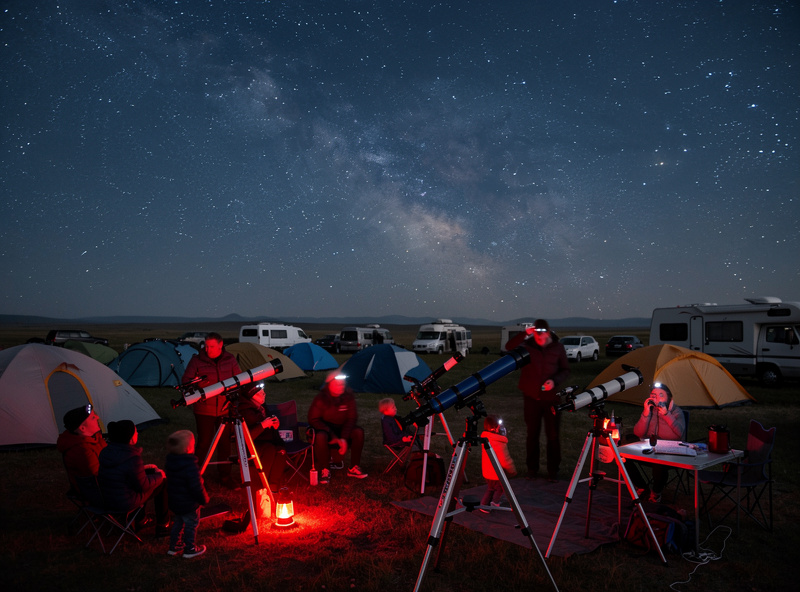
Scout your dark site during daylight. Check for parking lot lights (ask the ranger station if they can be turned off after hours), tree cover that might obstruct your view, cell phone reception for emergencies, and road conditions. Arrive at least 30 minutes before astronomical twilight ends to set up in fading light. Always bring a red flashlight, warm layers, insect repellent, and a charged phone.
Planning a Stargazing Trip
A successful dark sky trip requires more planning than just driving to a dark location. Weather is the primary variable — check the Clear Sky Chart (cleardarksky.com) for your destination up to 48 hours in advance. The chart forecasts cloud cover, atmospheric transparency, and seeing (turbulence) in 3-hour blocks. A night forecast as “clear” with “above average transparency” means go. A night with high thin cirrus forecasted means the stars will be dimmed — stay home or have a backup plan.
The Moon is the second variable. Plan your trip during the new Moon window — the 5 days centered on the new Moon date when the Moon is below the horizon or a thin crescent. Full Moon washes out faint deep-sky objects almost as badly as light pollution. Use timeanddate.com to check Moonrise and Moonset times for your destination.
Book accommodations early. Lodges and campgrounds near popular dark sky parks fill months in advance for new Moon weekends and annual star party dates. If camping, practice setting up your telescope at home before attempting it in the dark at an unfamiliar site. Pack your equipment the night before and use a checklist — there is nothing more frustrating than arriving at a Bortle 2 site and realizing you left your diagonal or your eyepiece case at home. Our astronomy for beginners guide covers essential equipment for observing sessions.
Frequently Asked Questions
What is a Bortle 1 sky like?
A Bortle 1 sky shows over 5,000 naked-eye stars, the Milky Way bright enough to cast faint shadows on the ground, zodiacal light visible as a faint cone extending from the horizon, and the Andromeda Galaxy visible as a large elongated smudge without any optical aid.
How dark do skies need to be to see the Milky Way?
The Milky Way becomes visible as a faint band at Bortle 5, clearly structured at Bortle 4, and prominent with naked-eye detail at Bortle 3 or darker. Most suburban locations (Bortle 6-7) cannot see the Milky Way at all. A 60-90 minute drive from most major US cities reaches Bortle 4.
What is the darkest sky location in the US?
Big Bend National Park in Texas and the Cosmic Campground in New Mexico both measure at Bortle 1, the darkest possible rating. Big Bend provides more visitor amenities including campgrounds and a lodge, while the Cosmic Campground has zero facilities but slightly darker measured skies.
Do I need a telescope at a dark sky site?
No. Dark sky sites transform naked-eye and binocular observation. The naked eye resolves thousands of stars and the full structure of the Milky Way. 10×50 binoculars show hundreds of star clusters, bright nebulae, and the Andromeda Galaxy in stunning detail. A telescope adds depth but is not required.
How do I find dark sky locations near me?
Visit lightpollutionmap.info and search for your city. Look for the nearest dark green or blue zone within 60-120 miles. State forests, national forests, and agricultural areas with minimal housing are typically the darkest accessible locations. Cross-reference with public land maps to find legal access points.
What should I bring to a dark sky site?
Bring a red flashlight, warm layers (desert sites drop 30+ degrees after sunset), insect repellent, a reclining chair or blanket, your telescope or binoculars, a star chart or planisphere, water, snacks, and a charged phone for emergencies. Leave all white lights in the car.
