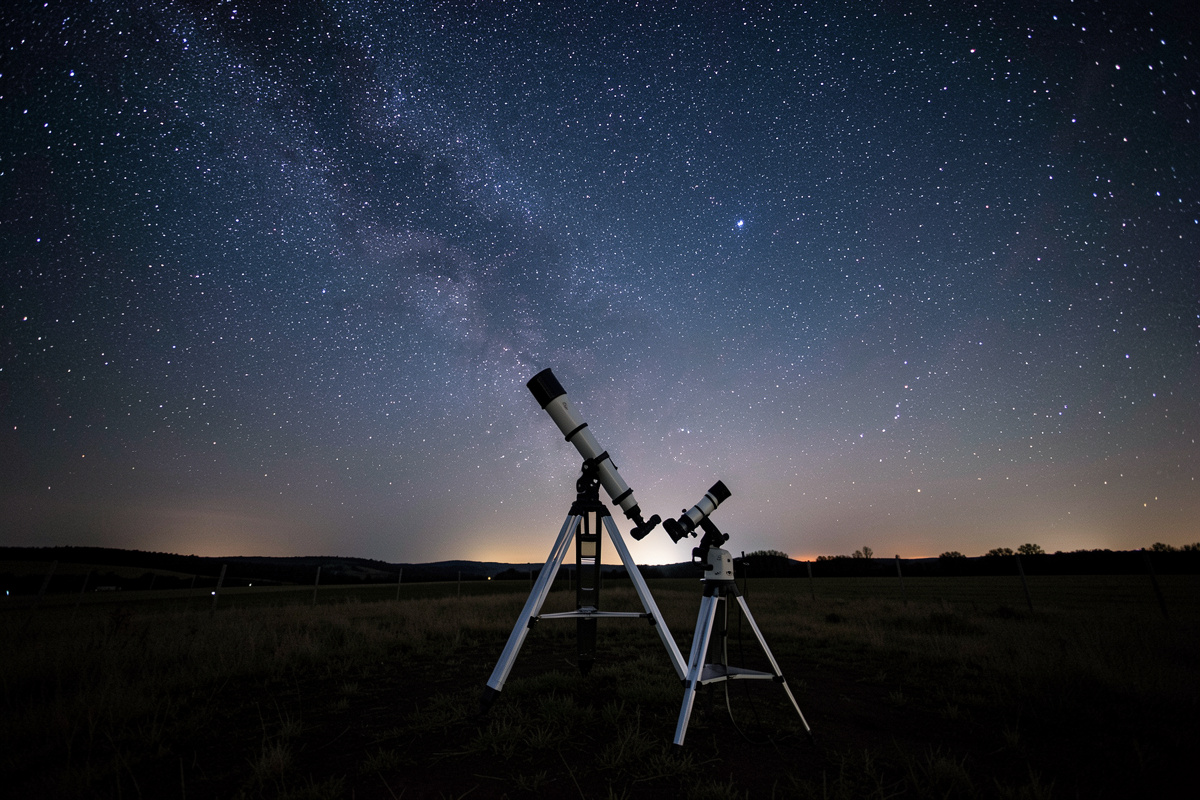

A Messier marathon is the attempt to find all 110 Messier objects in a single night — a dusk-to-dawn endurance hunt that’s equal parts observing skill, physical stamina, and ruthless planning. It’s only possible for a few nights a year, near the spring new Moon, and only from the right latitude, and it lives or dies on the order you hunt the objects in. Get the sequence right and the night flows; get it wrong and you’ll lose objects into twilight at both ends and never recover them. After years of chasing faint fuzzies from a cold Swedish lawn, here’s how I’d plan a marathon attempt so the night actually works.
This is a planning-deep spoke under my astronomy apps and planning guide, and it builds directly on the general process in my deep sky session planning guide — a marathon is that workflow taken to its absolute limit.
What a Messier marathon actually is
Charles Messier catalogued 110 deep-sky objects — galaxies, nebulae, and star clusters — and the “marathon” is the sport of bagging every one of them between dusk and dawn on a single night. The reason it’s even possible is a calendar coincidence: for a narrow window around the spring equinox, the Sun sits in a part of the sky empty of Messier objects, so none are hidden in daytime. Miss that window and some objects are permanently behind the Sun for the night.
It is genuinely hard. You’re racing the first objects setting in evening twilight and the last objects rising in morning twilight, with a hundred-odd in between, all while staying dark-adapted and awake. Nobody bags all 110 on their first try, and from a high northern latitude the southernmost objects may never clear the horizon at all — a real constraint I plan around rather than pretend away. The goal isn’t always 110; it’s a good run and a great night.
The make-or-break: hunt order
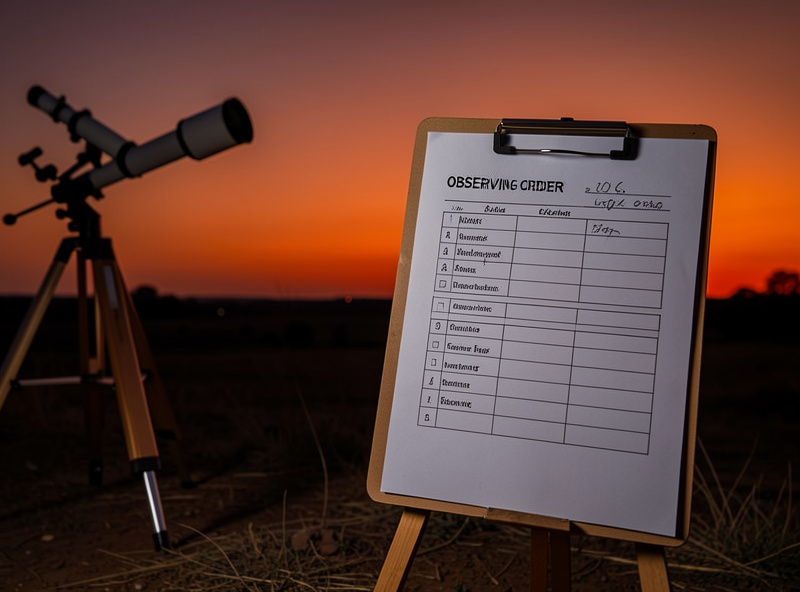
The single most important thing in a marathon plan is the sequence. The night has a hard structure: a handful of objects in the west are setting fast in evening twilight and must be caught first, in the right minutes, or they’re gone for the night. A handful in the east rise only in the last dark before dawn and must be saved for last. Everything else fits between, roughly following the sky’s rotation from west to east through the night.
You do not invent this order yourself — established marathon observing-order lists exist precisely because the sequence is brutal and well-solved. Load one into your planetarium app or print it, and follow it. The classic failure is lingering too long on an easy early object and losing a setting Virgo galaxy you’ll never get back. Discipline on the clock, especially in the opening and closing twilight sprints, is what separates a 100-plus run from a frustrating 60.
Pick the night and the site
Timing is non-negotiable: a marathon needs a moonless night within a week or two of the spring equinox. Check that the new Moon and the equinox window line up — some years are far better than others. Then pick the darkest, most open southern horizon you can reach, because the make-or-break objects hug the horizon at both ends of the night, and any tree, hill, or skyglow low in the west or east costs you objects directly.
Latitude is the constraint I can’t escape and you should respect too. The southernmost Messier objects sit low or never rise from far north — from my Nordic latitude a “full” marathon is geometrically impossible, so I plan for the achievable subset and treat it as the real target. Know your horizon limit before the night, so you’re not hunting an object that physically cannot clear your sky. A dark-sky site with a clean southern horizon is worth driving to; my notes on finding dark-sky locations apply doubly here.
Gear and stamina planning
A marathon rewards a fast, wide-field scope and a sweep-and-find approach over a high-power planetary rig — you’re identifying a hundred-plus objects, not studying one. Many marathoners use modest aperture with a low-power wide eyepiece and star-hop hard; a GoTo mount can help but the star-hopping purists are often faster once practised. Have your finder charts or app order locked, your eyepieces laid out, and a dim red light that won’t cost your dark adaptation.
Then plan the human side, because a dusk-to-dawn marathon is a physical event. Dress for far colder than you think — a still night observing without moving gets brutally cold, especially at a northern latitude in spring. A comfortable adjustable observing chair saves your back and your focus across an all-night sit far more than people expect. As an Amazon Associate I earn from qualifying purchases. Bring warm food, caffeine, and a plan for staying awake; the marathon is lost as often to cold and fatigue as to cloud.
A realistic first attempt
Don’t aim for 110 on your first marathon. Aim to learn the rhythm: nail the twilight sprints, settle into the steady middle, and see how many you bag. Treat a first run as reconnaissance — you’ll learn where you fumbled the order, which objects gave you trouble, and how your body holds up. Log it (a marathon is the ultimate argument for keeping an observing record), and the next attempt will be far stronger. A 70-object first marathon under a good sky is a real achievement, not a failure.
If a full marathon isn’t on for your latitude or your patience, the same skills make any deep-sky night better. Knowing the Messier objects cold — which my best Messier objects guide helps with — and being able to star-hop fast is the foundation, marathon or not.
Frequently Asked Questions
When can you do a Messier marathon?
Only for a narrow window around the spring equinox, on a moonless night, when the Sun sits in a Messier-free part of the sky so none of the 110 objects are hidden in daylight. Outside that window some objects are permanently behind the Sun for the night.
Can you see all 110 Messier objects in one night?
It is possible only from suitable latitudes with a clean horizon and a perfect night, and even then most observers fall short on a first attempt. From high northern latitudes the southernmost objects never rise, so a full 110 is geometrically impossible and a strong subset is the real goal.
Why does the observing order matter so much?
Because objects setting in evening twilight must be caught first or they are lost for the night, and objects rising in morning twilight must be saved for last. Established marathon observing-order lists solve this brutal sequence — follow one rather than inventing your own order.
What telescope is best for a Messier marathon?
A fast, wide-field scope used at low power suits a marathon better than a high-power planetary rig, because you are identifying over a hundred objects quickly, not studying one. Modest aperture with a wide eyepiece and fast star-hopping is a common and effective marathon setup.
What is the hardest part of a Messier marathon?
The twilight sprints at both ends, plus the physical challenge of staying warm, awake, and focused dusk to dawn. Cold and fatigue end as many marathons as cloud does, so dressing far warmer than expected and planning for stamina is as important as the observing plan.
