
What Makes a Good Beginner Telescope
The best beginner telescope is one you will actually use — which means it must be easy to set up, simple to point, and capable enough to show you something worth the effort. An 8-inch Dobsonian checks all three boxes, delivering views of Jupiter’s cloud bands, Saturn’s rings, and hundreds of star clusters and nebulae without requiring polar alignment or electronic setup.
Avoid telescopes sold on magnification claims. A $100 department store telescope advertising “675x magnification” is functionally useless at that power — the aperture cannot resolve detail beyond about 150x, and the mount shakes too much to hold a steady image above 100x. Instead, prioritize aperture (the diameter of the primary mirror or lens) and mount stability. A 6-inch reflector on a solid rocker box outperforms a 4-inch refractor on a wobbly tripod every time.
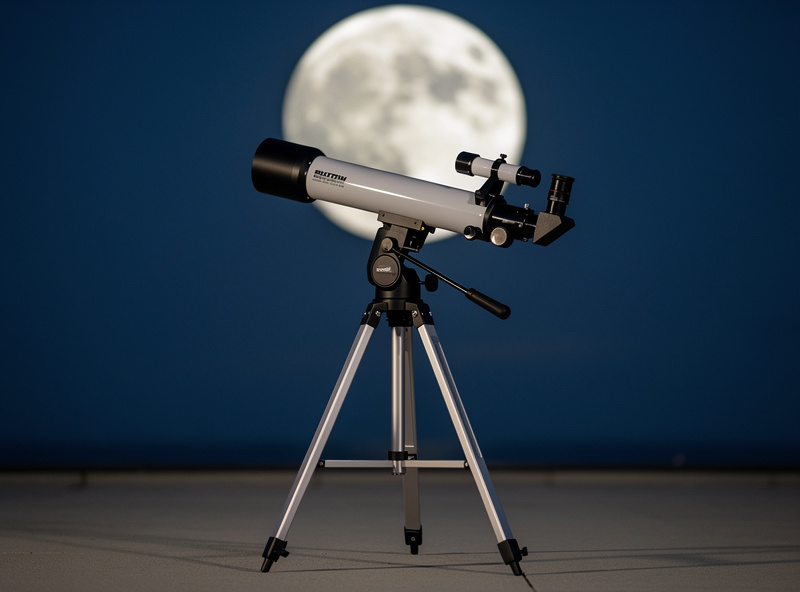
The three telescope types beginners encounter are refractors (lens-based), reflectors (mirror-based), and catadioptrics (combined lens-mirror designs). For visual observation on a budget, reflectors — specifically Dobsonian-mounted Newtonians — offer the most aperture per dollar. See our reflector vs refractor comparison for a full breakdown of optical designs.
Best Telescopes Under $200
Telescopes under $200 exist in a minefield of poor quality. Most department store scopes in this range have weak tripods, small apertures, and eyepieces that make objects look dim and blurry. The two exceptions are tabletop Dobsonians and high-quality binoculars.
The Sky-Watcher Heritage 130P ($180) and Heritage 150P ($220) are genuine Dobsonian reflectors with 5-inch and 6-inch parabolic mirrors respectively. They sit on a tabletop base and provide real astronomical views — Jupiter’s moons visible as tiny disks, Saturn’s rings clearly separated from the planet, and bright deep-sky objects like the Orion Nebula resolved into wispy detail. Pair them with a $30 observing stool for comfortable height.
Alternatively, 10×50 binoculars ($80-$150) show star clusters, the Andromeda Galaxy, and lunar craters with zero setup time. They complement a telescope rather than replacing one, but they are the most underrated astronomy tool for beginners learning the sky. Once you are ready to size up, the 10×50 vs 15×70 vs 20×80 binoculars comparison maps exactly what each step up in aperture and magnification adds in practical field use.
Best Telescopes Under $500
The $200-$500 range is where serious beginner telescopes begin. An 8-inch Dobsonian dominates this price point. The Apertura AD8 ($550, frequently on sale for $480) includes a 2-inch Crayford focuser, dual-speed microfocusing, a 9×50 finderscope, and two quality eyepieces — accessories that cheaper Dobsonians leave out.
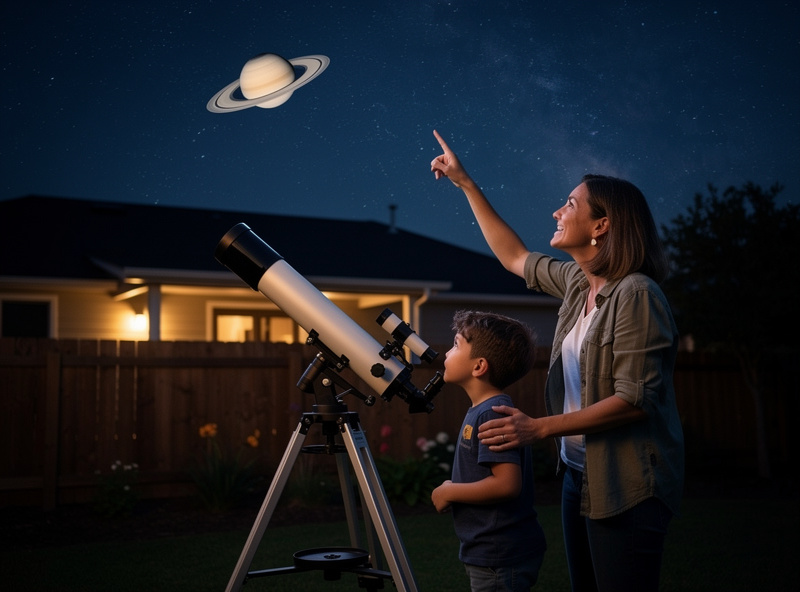
The Sky-Watcher Classic 200P ($500) is a close competitor with a slightly lighter tube and a simpler 1.25-inch focuser. For suburban observers, either 8-inch Dobsonian shows the Cassini Division in Saturn’s rings, individual stars in globular clusters like M13, and the faint glow of galaxies in the Virgo Cluster.
Best Telescopes Under $1,000
Between $500 and $1,000, two paths open: larger Dobsonians for more aperture, or computerized GoTo mounts for automated finding. The Zhumell Z10 ($750) offers a 10-inch primary mirror that gathers 56% more light than an 8-inch — a noticeable improvement on faint nebulae and galaxies. It weighs 55 pounds assembled and requires a vehicle to transport.
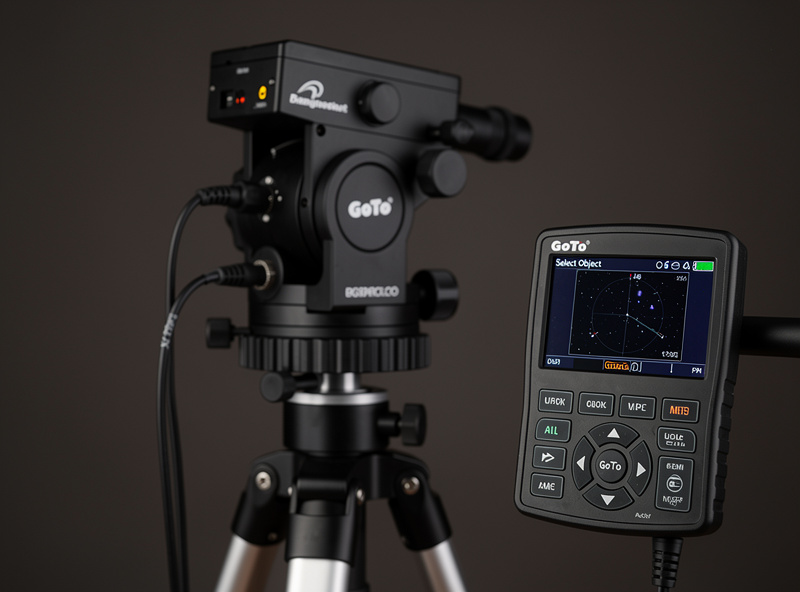
For observers who prefer tracking and computerized finding, the Celestron NexStar 6SE ($700) is a 6-inch Schmidt-Cassegrain on a single-arm GoTo mount. It finds and tracks 40,000 objects automatically, but its 6-inch aperture collects only 444x the light of the eye versus 1,300x for an 8-inch Dobsonian. You pay for electronics and sacrifice aperture. Our astronomy for beginners guide explains why aperture matters more than convenience for visual observing.
Best Telescopes Under $1,500
Above $1,000, the choices expand significantly. The Apertura AD12 ($1,100) delivers a 12-inch mirror — 2.25 times the light-gathering area of an 8-inch — and shows spiral arms in galaxies, detailed planetary nebulae, and resolution in globular clusters that smaller scopes simply cannot reach. It weighs 75 pounds and is a commitment to transport, but the views rival those seen at star party observatories.
For serious beginners ready to invest in astrophotography, the Celestron NexStar 8SE ($1,200) or Sky-Watcher EvoStar 80ED ($800 for the refractor, plus $500+ for a mount) open the door to imaging. Check our astrophotography guide for equipment recommendations before choosing an imaging-oriented first scope.
Beginner Telescope Comparison Table
| Telescope | Type | Aperture | Mount | Weight | Best For | Price |
|---|---|---|---|---|---|---|
| Sky-Watcher Heritage 130P | Reflector | 5″ | Tabletop Dob | 14 lbs | Budget, tabletop use | $180 |
| Sky-Watcher Heritage 150P | Reflector | 6″ | Tabletop Dob | 20 lbs | Best budget aperture | $220 |
| Apertura AD8 | Reflector | 8″ | Dobsonian | 45 lbs | Best overall beginner scope | $550 |
| Sky-Watcher Classic 200P | Reflector | 8″ | Dobsonian | 42 lbs | Portable 8-inch option | $500 |
| Zhumell Z10 | Reflector | 10″ | Dobsonian | 55 lbs | Deep-sky, dark sites | $750 |
| Celestron NexStar 6SE | SCT | 6″ | GoTo Alt-Az | 30 lbs | Automated finding | $700 |
| Apertura AD12 | Reflector | 12″ | Dobsonian | 75 lbs | Maximum visual aperture | $1,100 |
| Celestron NexStar 8SE | SCT | 8″ | GoTo Alt-Az | 33 lbs | GoTo + reasonable aperture | $1,200 |
What to Avoid When Buying a First Telescope
The single biggest mistake beginners make is buying a telescope based on magnification claims. Magnification is determined by the telescope’s focal length divided by the eyepiece focal length — any telescope can achieve high magnification with a short eyepiece, but the useful maximum is limited by aperture (roughly 50x per inch of aperture on steady nights). A 4-inch scope claiming 600x magnification is lying about its capability.
Avoid refractors under $200 with long focal lengths on alt-azimuth tripods — these are almost universally optically poor, mechanically unstable, and frustrating to use. Avoid “smart” telescopes for your first purchase unless your sole goal is astrophotography and you never plan to look through an eyepiece.
Avoid buying without checking the used market. Quality telescopes hold their value poorly — an $800 Dobsonian often sells used for $400-$500 on Cloudy Nights classifieds or Facebook Marketplace. Inspect mirrors for coating damage and check that the focuser moves smoothly before purchasing used equipment. Your telescope buying guide should cover both new and used options.
Setting Up Your First Telescope for Observation
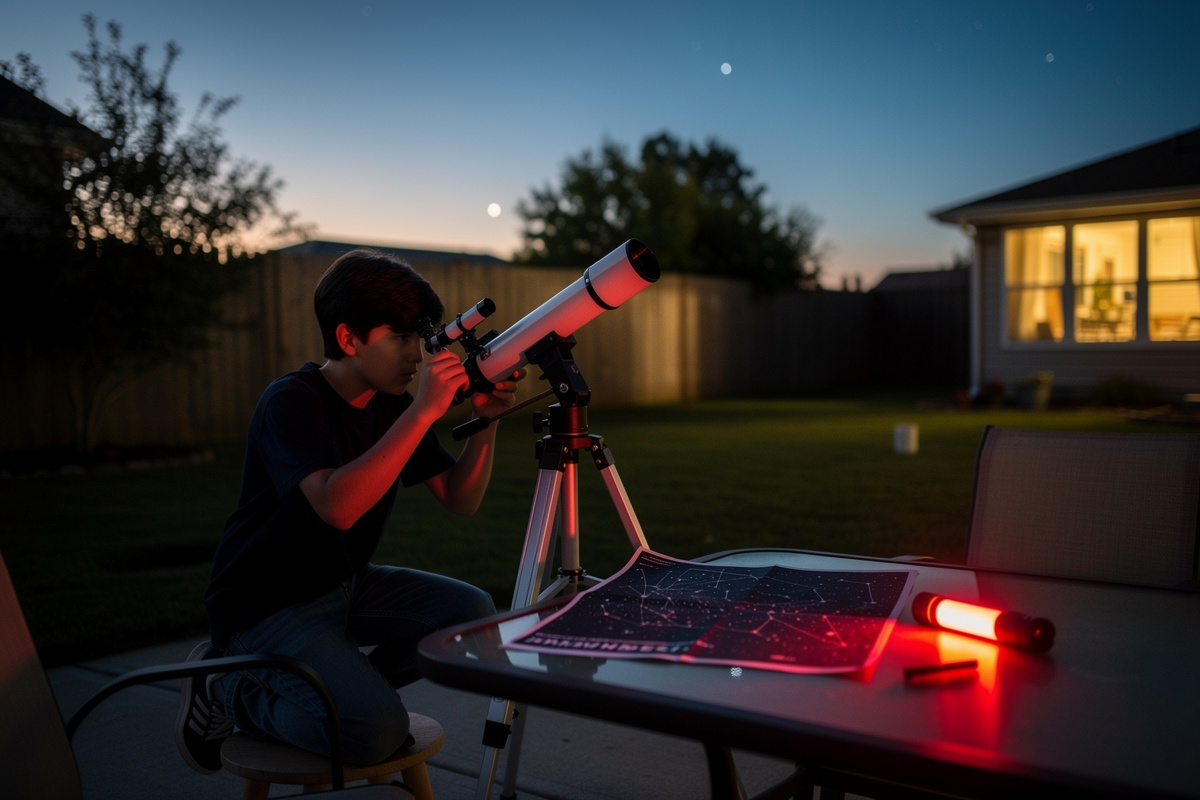
Set up your new telescope during daylight first. Assemble the tripod or rocker box, attach the tube, install the finderscope, and practice inserting and focusing eyepieces while you can see what you are doing. This saves 30 minutes of fumbling in the dark on your first observing night.
Allow the telescope to reach thermal equilibrium before observing. A mirror stored indoors at 70 degrees F and brought outside at 40 degrees F needs 30-45 minutes to cool. Observing through a warm mirror produces turbulent, blurry images — astronomers call this “tube currents.” Place the telescope outside with the dust cap off 45 minutes before you plan to observe.
Start with low magnification (a 25mm eyepiece gives the widest true field of view). Find your target object at low power, center it, then switch to higher magnification for more detail. Most objects — star clusters, nebulae, and galaxies — actually look best at low to medium magnification because they are extended objects spread across a wide area of sky. Reserve high magnification for the Moon, planets, and double stars.
Frequently Asked Questions
What is the best telescope for a beginner?
An 8-inch Dobsonian reflector is the best telescope for most beginners. It costs $480-$550, requires no electronics or polar alignment, and shows hundreds of celestial objects including Jupiter’s bands, Saturn’s rings, and dozens of galaxies from dark sky sites.
How much should I spend on a first telescope?
Plan to spend $200-$550 on a quality first telescope. Below $200 options are limited to tabletop Dobsonians or binoculars. The $400-$550 range delivers 8-inch Dobsonians with accessories that provide years of satisfying observation without upgrades.
Are refractor or reflector telescopes better for beginners?
Reflectors, specifically Dobsonian-mounted Newtonians, are better for visual observation beginners because they offer 2-3x more aperture per dollar than refractors. Refractors excel at low-maintenance use and astrophotography but cost significantly more per inch of aperture.
Can I see galaxies with a beginner telescope?
Yes. An 8-inch Dobsonian under dark skies (Bortle 4 or darker) reveals the Andromeda Galaxy, the Whirlpool Galaxy, the Triangulum Galaxy, and dozens of galaxies in the Virgo Cluster as faint oval smudges. Larger apertures show more detail and fainter objects.
Do I need a GoTo mount as a beginner?
No. Learning to find objects manually with a star chart or planisphere builds astronomy skills faster and saves $200-$500 on mount electronics. A push-to system like the Orion Intelliscope adds computerized finding without the weight and complexity of a full GoTo mount.
What eyepieces do I need to start?
Start with three eyepieces: a 25mm for low-power wide-field views, a 15mm for medium magnification on star clusters and nebulae, and a 10mm for high-power planetary observation. Many Dobsonians include two of these three, making the third a $30-$50 addition.
