

The best printed star atlas for a visual observer is the one matched to your aperture and your sky — not the most detailed book on the shelf. A beginner with a small scope wants a planisphere and a simple chart; a deep-sky hunter with a big Dobsonian at a dark site wants a dense, telescope-field-scale atlas that plots stars several magnitudes fainter. Buy the wrong rung of that ladder and you either get lost in detail you can’t use or run out of chart exactly when the star-hop gets hard. After years of star-hopping from a frozen Swedish lawn, here’s the honest ladder of printed atlases and which one belongs in your eyepiece case.
As an Amazon Associate I earn from qualifying purchases.
This is the paper half of the planning stack I lay out in the astronomy apps and star atlas planning guide — and yes, you want paper even in the app era, for reasons I’ll get to. If you’re sorting the software side, my best apps for telescope stargazing piece covers that.
Why a printed atlas still beats your phone at the eyepiece
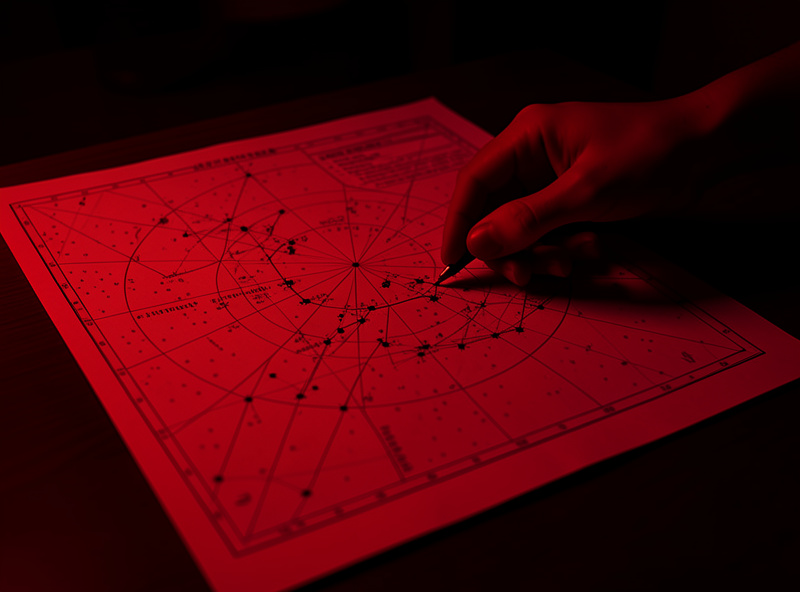
The app planned the night; the printed atlas finds the object. A phone screen is a liability at the telescope: even in red mode it’s brighter than paper under a dim red light, the battery dies fast in sub-zero cold, and a touchscreen ignores gloved fingers exactly when you need it. A laminated chart does none of that — it never crashes, never freezes, and never wrecks the twenty minutes of dark adaptation you just built. Every experienced visual observer I know plans on the app indoors and star-hops on paper outside.
There’s a subtler reason too: paper teaches the sky in a way a slewing screen never does. Tracing a star-hop with your finger from a bright anchor to a faint smudge builds the mental map that makes you fast and independent. The atlas isn’t nostalgia — it’s the better tool for the specific job of finding an object in the dark.
The atlas ladder, rung by rung
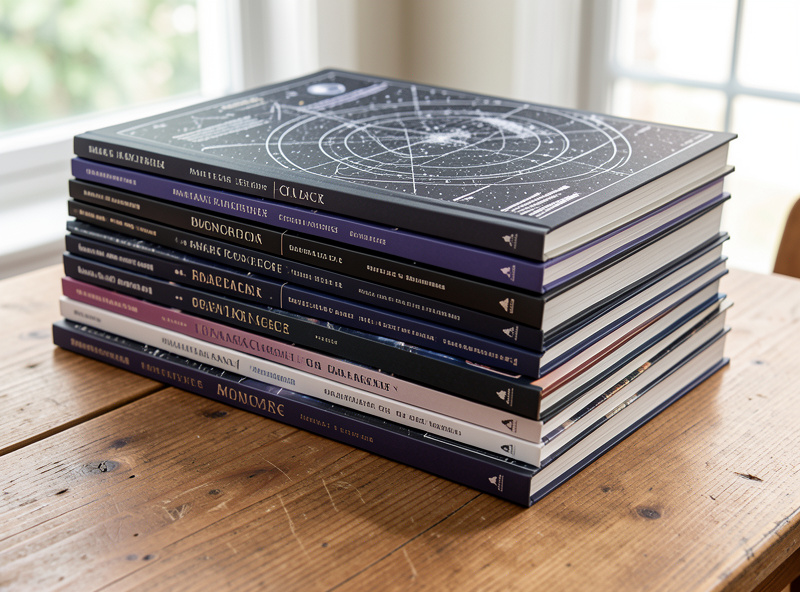
Printed star references form a clear ladder of increasing detail, and the right rung depends on your scope and how dark your sky is. Climbing too high too fast is the classic beginner mistake — a dense professional atlas is bewildering when you can only see a few hundred stars from a suburban yard.
Rung 1: the planisphere
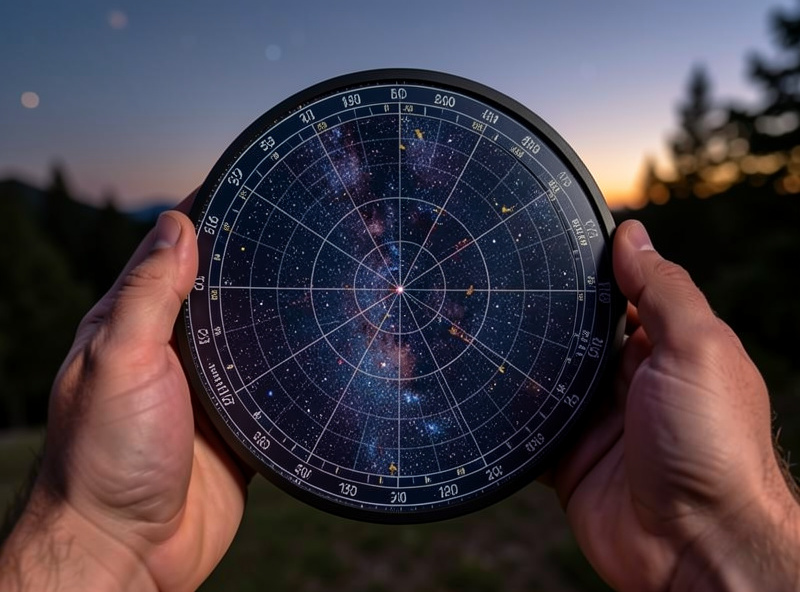
A planisphere is a rotating star wheel that shows which constellations are up for your latitude and date. It’s not for finding faint objects — it’s for orientation, for answering “what’s that bright pattern overhead” at a glance. Every beginner should own one; they cost almost nothing and they survive being dropped in the dark. Get one rated for your latitude, which matters more at high northern sites where the visible sky differs a lot from the mid-latitude default.
Rung 2: the beginner’s deep-sky atlas
The next step is a beginner-friendly atlas that plots naked-eye and binocular stars with the brighter deep-sky objects marked — the Messier and brightest NGC targets. This is the rung most new telescope owners actually want: enough detail to star-hop to a few hundred showpiece objects, not so much that the page is a wall of dots. A spiral-bound or laminated edition that lies flat and survives dew is worth seeking out.
Rung 3: the serious visual atlas
For the committed deep-sky observer with real aperture and a dark sky, a dense atlas plotting stars to a deep limiting magnitude — the kind serious hunters carry — opens up thousands of fainter targets. This is the rung where the star-hops get long and you need the chart to keep up with a 12-inch at a Bortle 3 site. It’s overkill for a small scope in the suburbs, and exactly right once you’ve outgrown rung 2.
How to choose your rung
Match three things: your aperture, your sky darkness, and how deep you intend to go. Small scope, bright suburban sky, casual observer — rungs 1 and 2 are all you need, and a dense atlas would just frustrate you. Big scope, dark site, deep-sky obsessive — climb to rung 3, because you’ll exhaust a beginner atlas in a season. Most observers own a planisphere plus one good atlas, and upgrade the atlas once when they outgrow it. Don’t buy the deepest book first; buy the one that matches the sky you actually have.
| Rung | What it is | Best for | Star depth | When to buy |
|---|---|---|---|---|
| Planisphere | Rotating star wheel | Orientation, naked-eye learning | Bright stars only | Day one, everyone |
| Beginner atlas | Charts with bright DSOs marked | Small-to-medium scopes, suburbs | To ~mag 6-7 | With your first telescope |
| Serious visual atlas | Dense deep-sky charts | Large scopes, dark sites | To ~mag 9-11 | When you outgrow the beginner atlas |
A couple of practical buying notes
Get a laminated or spiral-bound edition if you can — dew is the enemy of paper, and a chart that lies flat in the cold is far easier to use than one you’re fighting to hold open. A widely available laminated deep-sky star atlas is the workhorse most observers settle on, and a simple planisphere star wheel rated for your latitude covers the orientation job for pocket change. Pair any atlas with a proper dim red astronomy flashlight; a too-bright light ruins both your night vision and the point of using paper. And mind your latitude on the planisphere especially — the difference between a mid-latitude and a high-northern wheel is real, and the wrong one shows you a sky that isn’t yours.
With the atlas sorted, the next planning step is deciding what to hunt with it. My best Messier objects list and the best nebulae guide make good target menus to plan star-hops around, and the deep-sky object guide covers the broader landscape.
Frequently Asked Questions
What is the best star atlas for a beginner?
A beginner is best served by a planisphere for orientation plus a beginner-friendly deep-sky atlas that marks the Messier and brightest NGC objects. That combination covers a few hundred showpiece targets without overwhelming a small scope under a suburban sky.
Do I need a printed atlas if I have a stargazing app?
For serious visual observing, yes. A phone screen wrecks dark adaptation, freezes in cold weather, and ignores gloved fingers. A laminated atlas under red light survives all three and never crashes, so observers plan on the app indoors and find objects on paper at the eyepiece.
What limiting magnitude should my atlas plot?
Match it to your aperture and sky. A small suburban scope is well served by charts down to about magnitude 6-7. A large scope at a dark site benefits from a dense atlas plotting stars to magnitude 9-11, which keeps up with long star-hops to faint targets.
Why does latitude matter for a planisphere?
A planisphere is calibrated for a latitude band, and the visible sky differs significantly between mid-latitudes and high northern sites. Using a planisphere rated for the wrong latitude shows constellations at the wrong altitudes, so buy one matched to where you observe.
Should I buy laminated or spiral-bound atlases?
If available, yes. Laminated pages resist dew, which destroys ordinary paper outdoors, and spiral binding lets the atlas lie flat so you are not fighting to hold it open in the cold and dark. Both make a real difference in field use.
