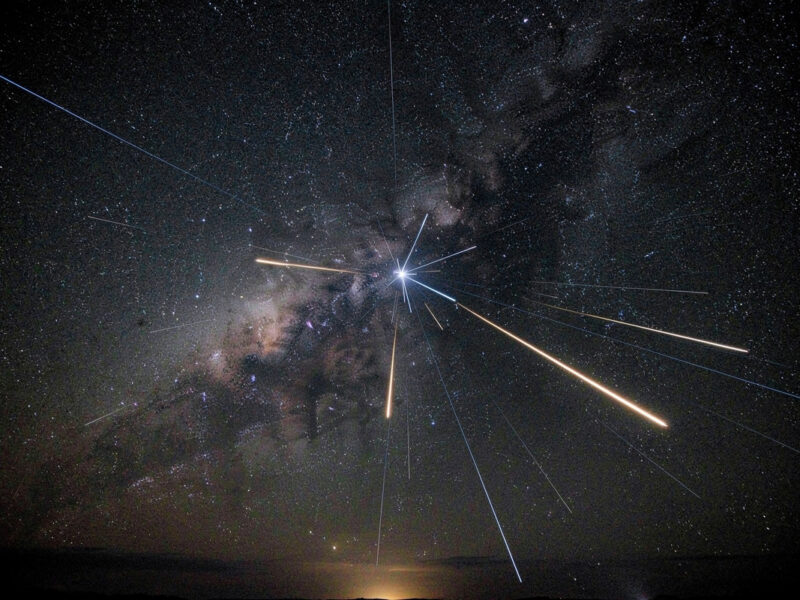
Meteor Showers Guide: When to Watch in 2026
Earth crosses the dust trail of a comet or asteroid, and for one or two nights of the year the…
Earth crosses the dust trail of a comet or asteroid, and for one or two nights of the year the…
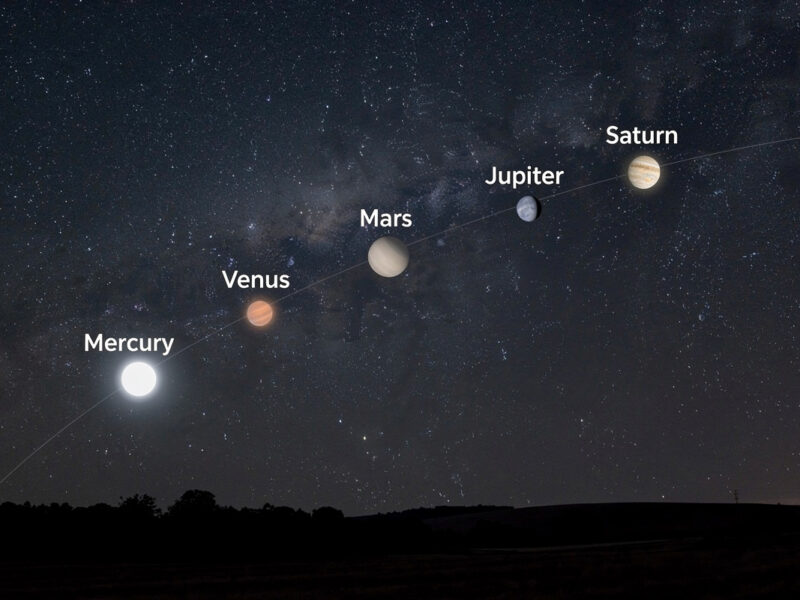
At opposition, an outer planet rises as the Sun sets, transits at midnight, and reaches its closest, brightest, biggest view…
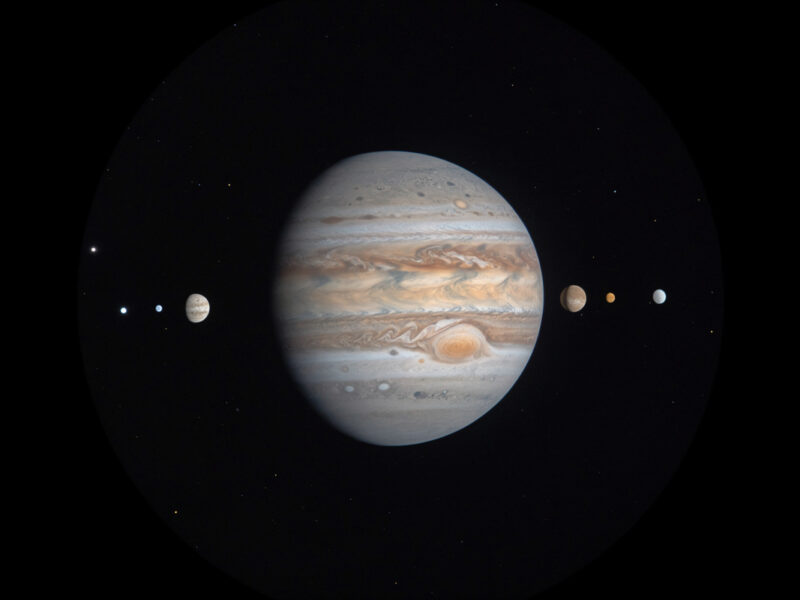
Jupiter through a telescope reveals two dark equatorial belts, up to four Galilean moons, and occasionally the Great Red Spot…
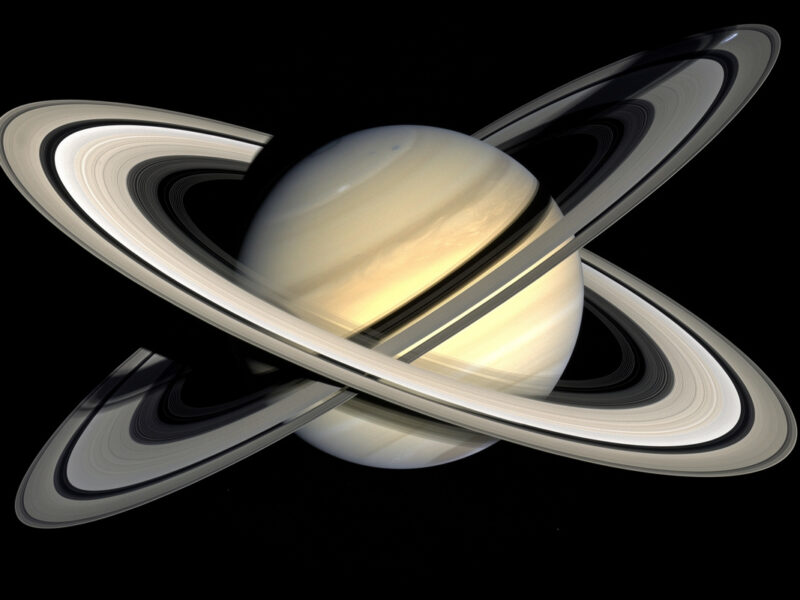
Saturn’s rings become visible in any telescope with 25x magnification or higher, but resolving the Cassini Division — the 4,595…
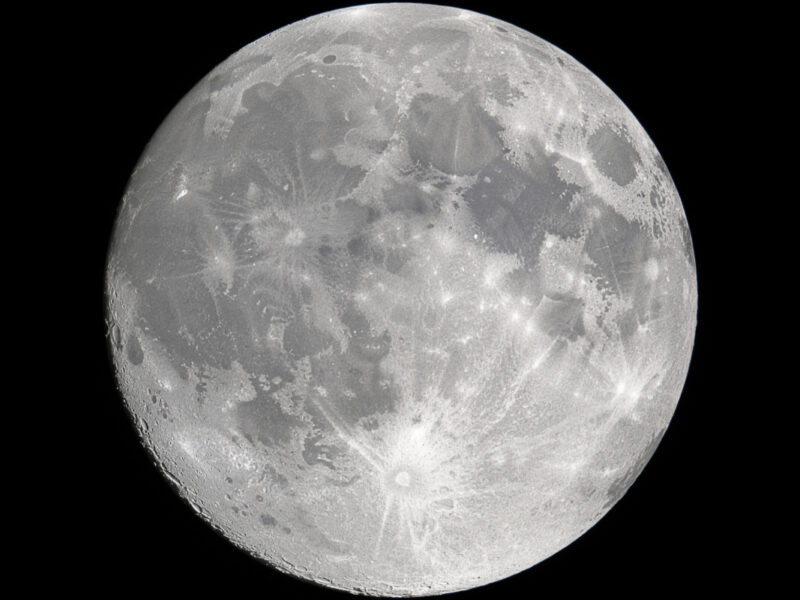
The Moon is the most rewarding telescope target for beginners, revealing craters as small as 1.5 km across through a…
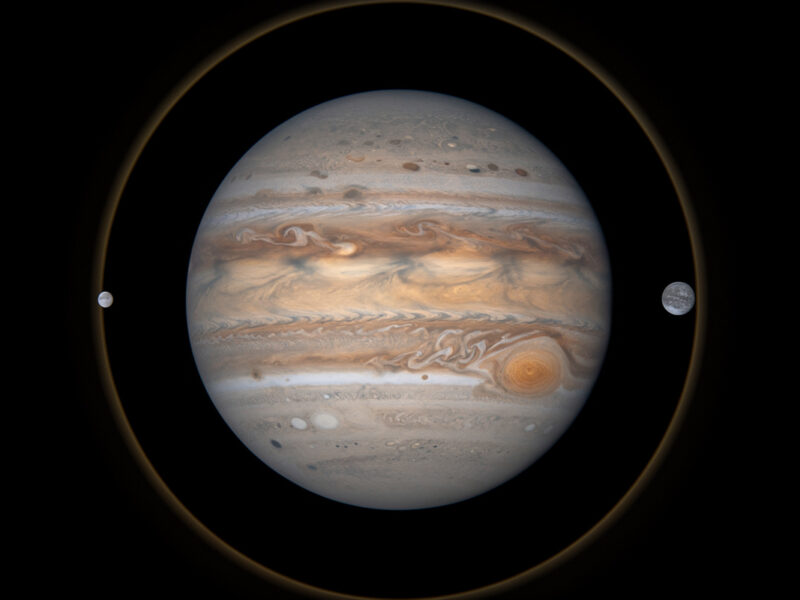
Observing planets with a telescope requires 150-300x magnification, thermal equilibrium, and steady atmospheric seeing. Jupiter shows cloud bands at 80x…
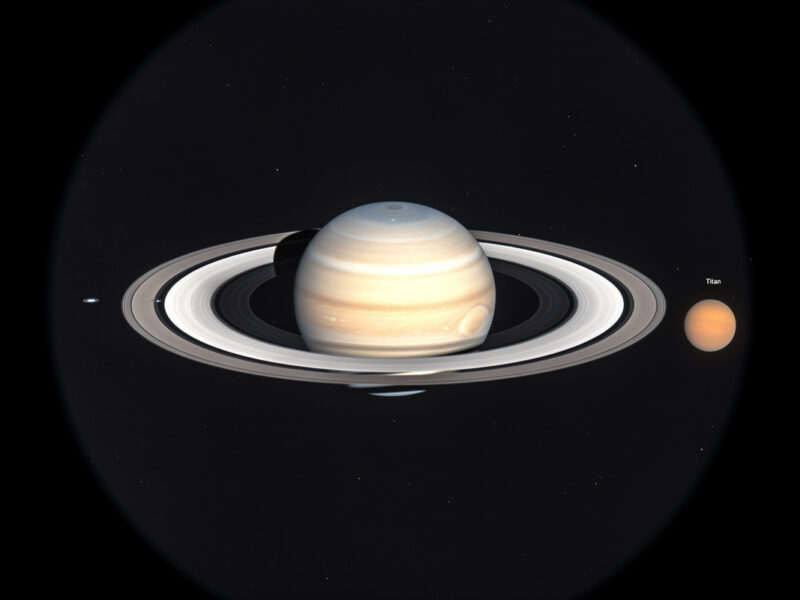
Planetary observation with a telescope reveals cloud bands on Jupiter, rings on Saturn, ice caps on Mars, and phases on…
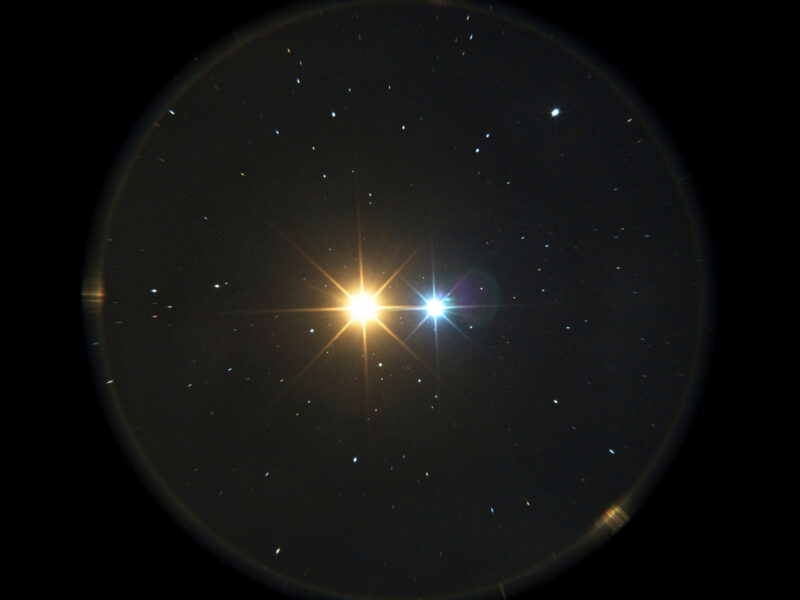
Double stars and variable stars are ideal telescope targets that show real-time changes visible in a single observing session. Albireo…
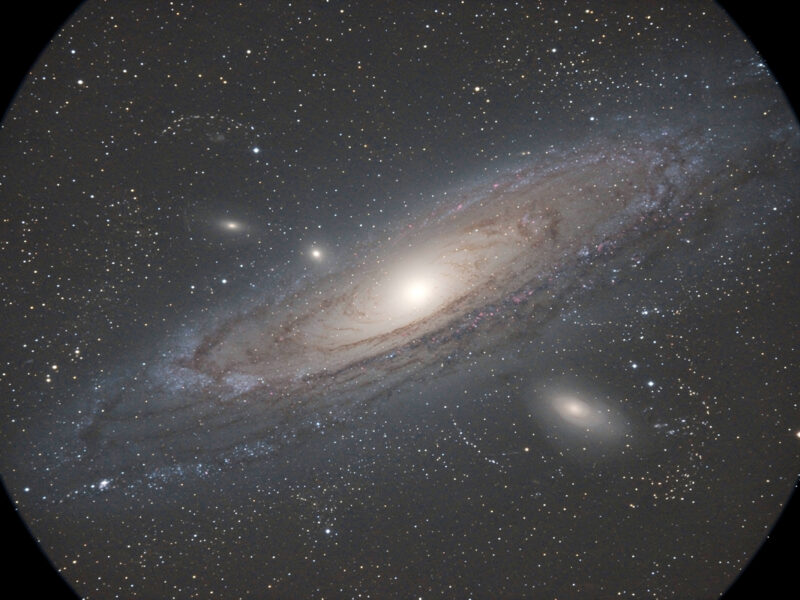
You can see galaxies with a telescope as small as 4 inches, but an 8-inch or larger aperture from a…
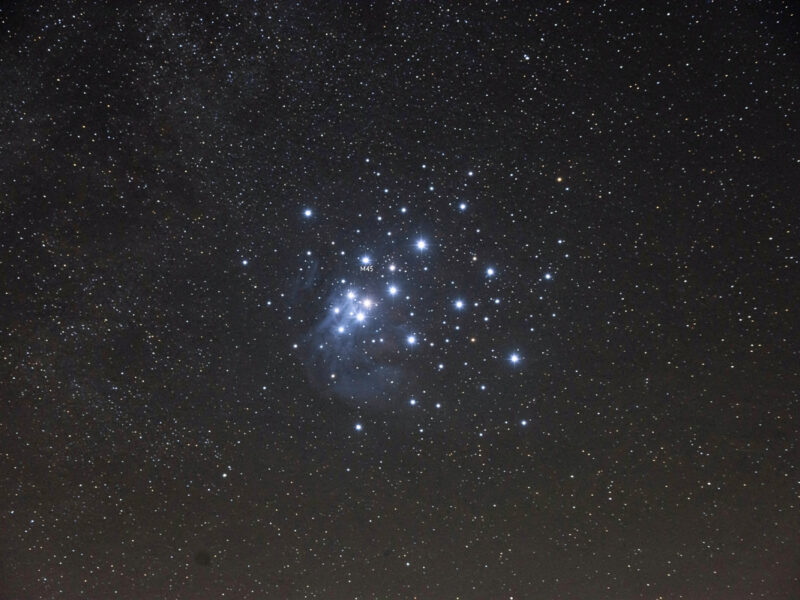
Star clusters split into two fundamentally different families: open clusters of young, loosely-bound stars in the Milky Way’s disk, and…