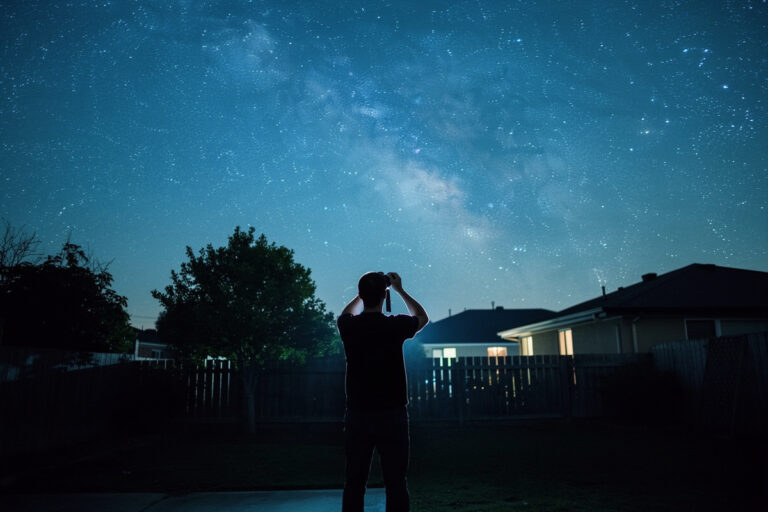
Atmospheric Seeing for Planetary Observing: Reading and Beating the Sky
If there’s one concept that separates frustrated beginners from satisfied planetary observers, it’s seeing — the steadiness of the atmosphere...
June 17, 2026Every article published on TelescopeSpecs.
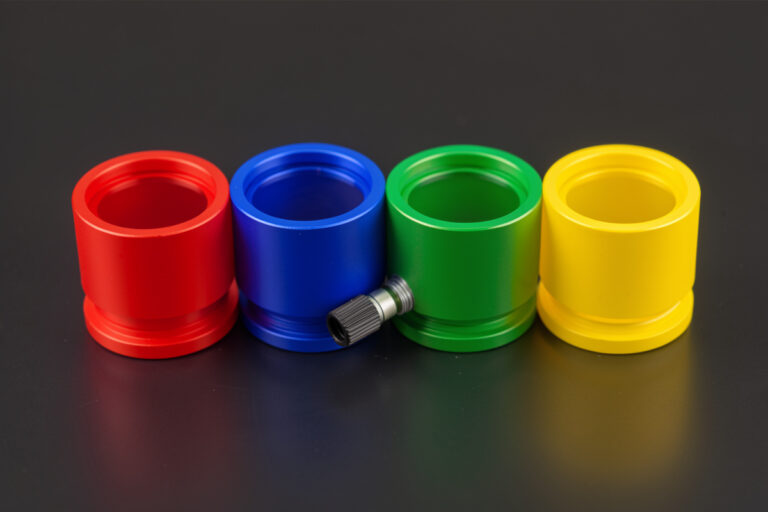
If there’s one concept that separates frustrated beginners from satisfied planetary observers, it’s seeing — the steadiness of the atmosphere...
June 17, 2026
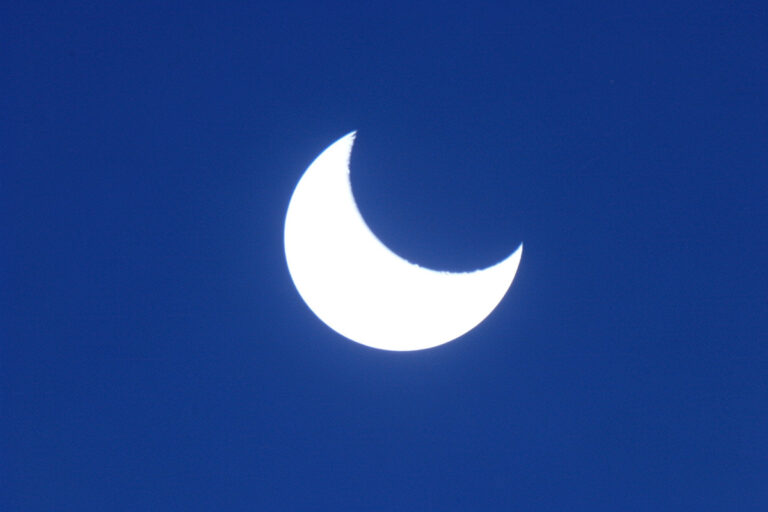
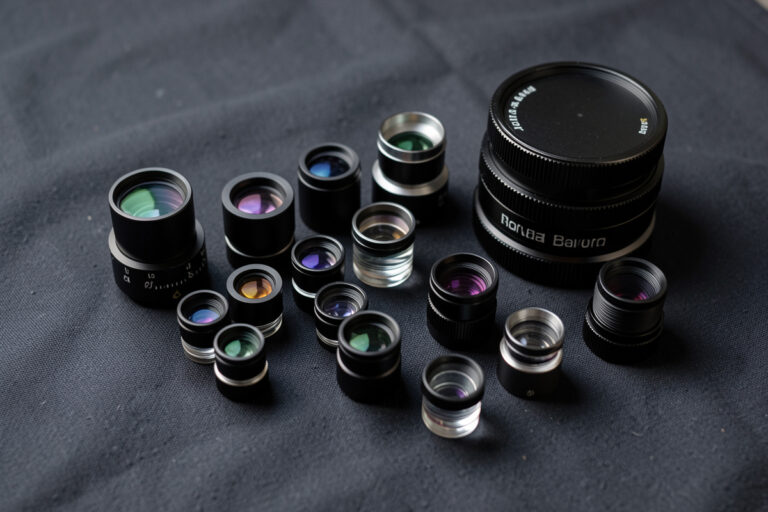
Coloured eyepiece filters are the most misunderstood accessory in planetary observing. Beginners either ignore them entirely, or buy a giant...
June 17, 2026
Venus is the brightest point of light in the night sky after the Moon — the dazzling “evening star” or...
June 17, 2026
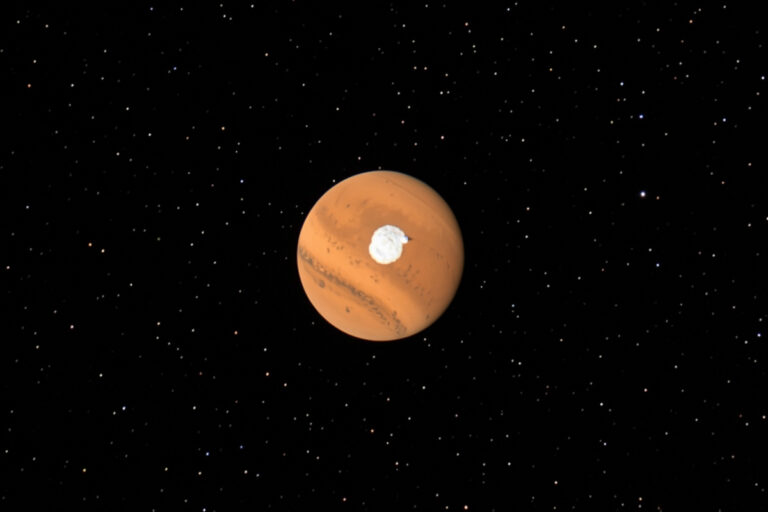
Mars is the planet that humbles people. After the easy rewards of Jupiter’s belts and Saturn’s rings, the new observer...
June 16, 2026
“What magnification do I need for planets?” is the question I get more than any other, and the honest answer...
June 16, 2026
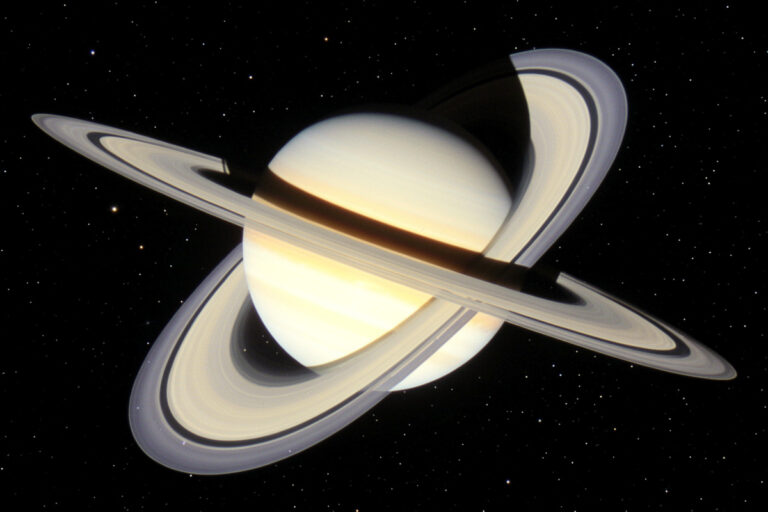
There is a moment, the first time someone sees Saturn through a telescope, when they pull back from the eyepiece...
June 16, 2026
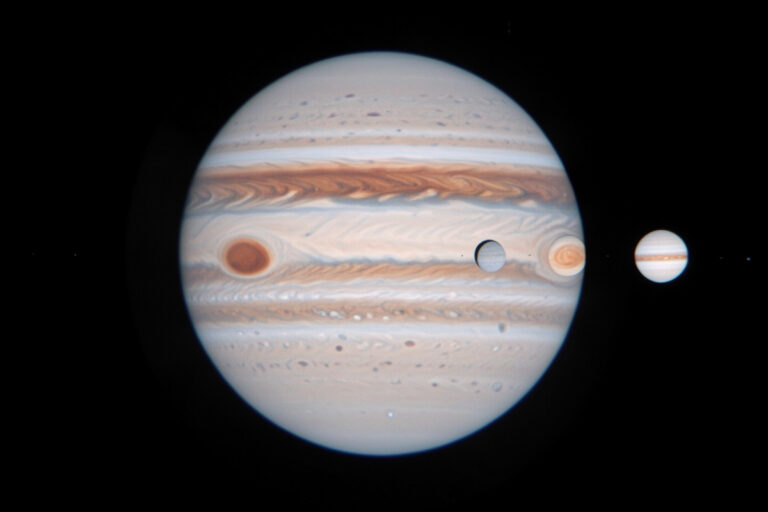
Jupiter is the planet I send every new observer to first, because it’s the one that pays off fastest. Even...
June 15, 2026
Ask ten beginners what they want to see through their first telescope and nine of them say “the planets.” Then...
June 15, 2026
For most beginners, binoculars beat a telescope as a first instrument. A quality 10×50 costs less, needs zero setup, and...
June 15, 2026
Giant binoculars — 20×80, 25×100, and beyond — turn the binocular format into a genuine two-eyed deep-sky telescope. With 80mm...
June 15, 2026
Image-stabilized binoculars use an internal gyro or lens-shift system to cancel hand shake electronically, letting you hold 14x or even...
June 14, 2026
The best things to see with binoculars are large, bright objects that a telescope crops or overpowers: the Moon, the...
June 14, 2026