Moon Observation Guide: Best Features Through Your Telescope
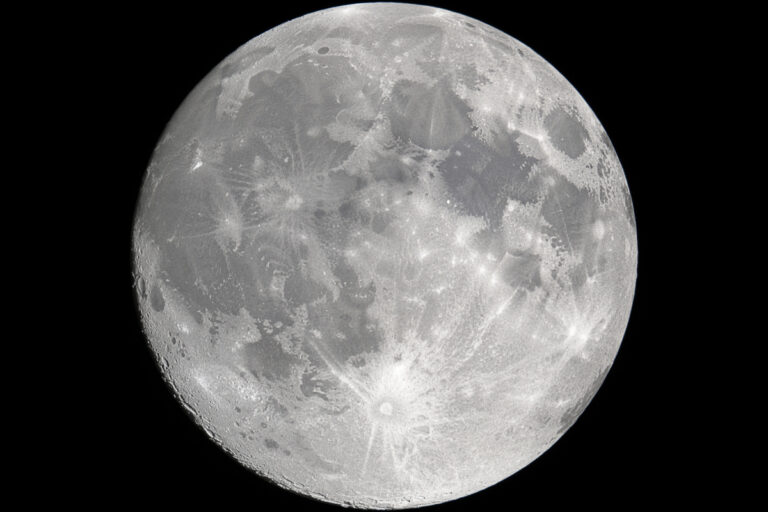
The Moon is the most rewarding telescope target for beginners, revealing craters as small as 1.5 km across through a...
May 8, 2026Every article published on TelescopeSpecs.
The Moon is the most rewarding telescope target for beginners, revealing craters as small as 1.5 km across through a...
May 8, 2026
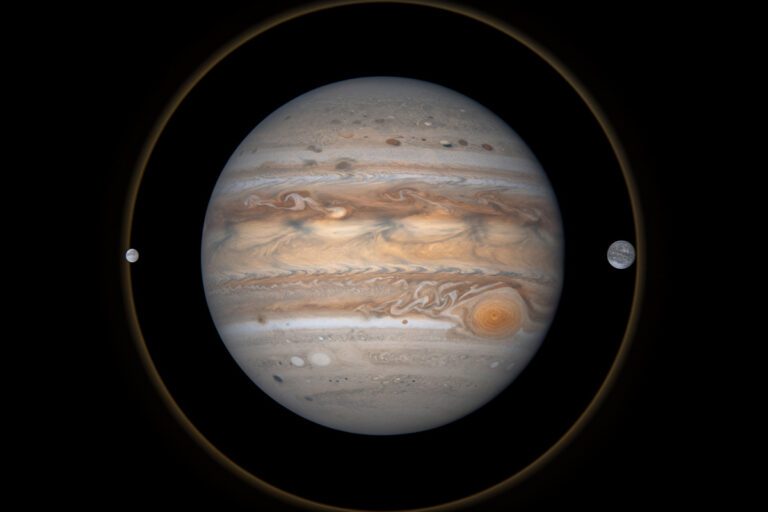
Observing planets with a telescope requires 150-300x magnification, thermal equilibrium, and steady atmospheric seeing. Jupiter shows cloud bands at 80x...
May 8, 2026
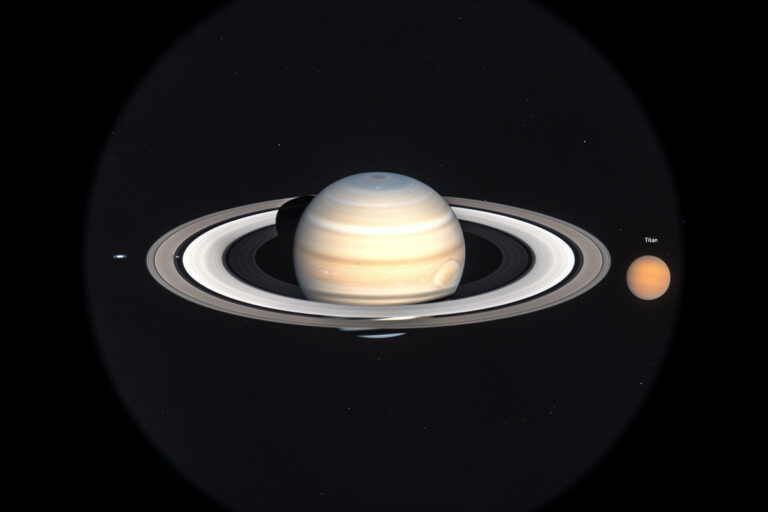
Planetary observation with a telescope reveals cloud bands on Jupiter, rings on Saturn, ice caps on Mars, and phases on...
May 8, 2026
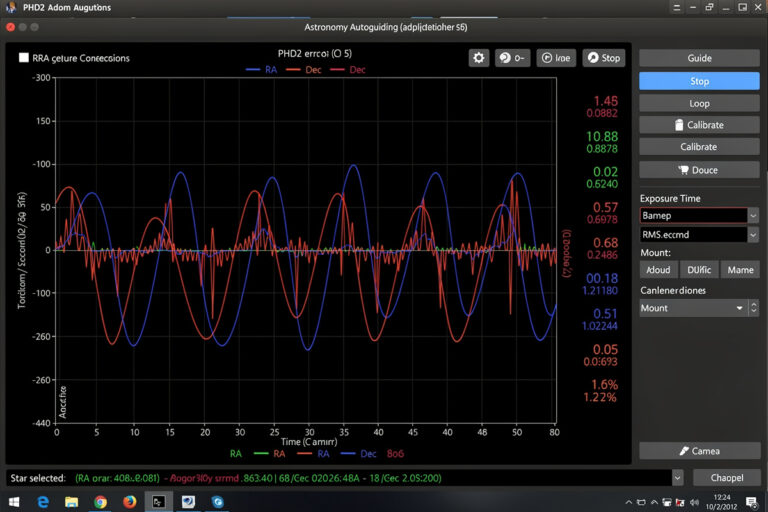
Autoguiding corrects mount tracking errors in real time during long astrophotography exposures, enabling 5-15 minute sub-exposures that reveal faint nebula...
May 8, 2026
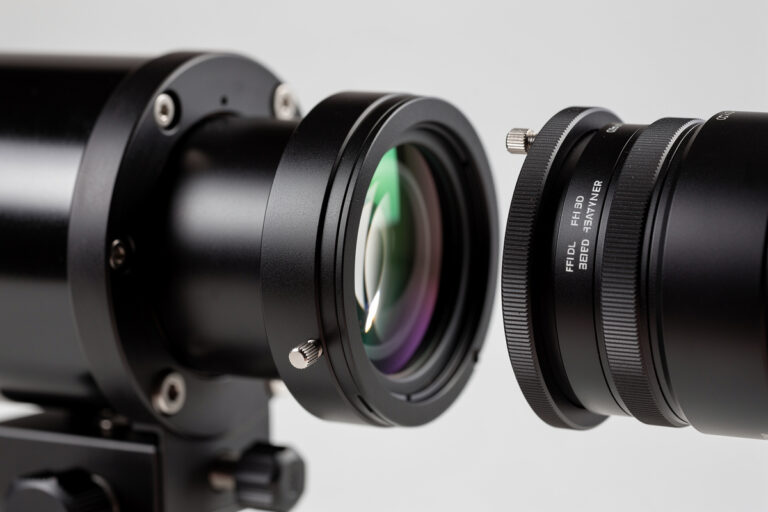
A field flattener corrects the curved focal plane that every refractor produces, turning elongated edge stars into round pinpoint stars...
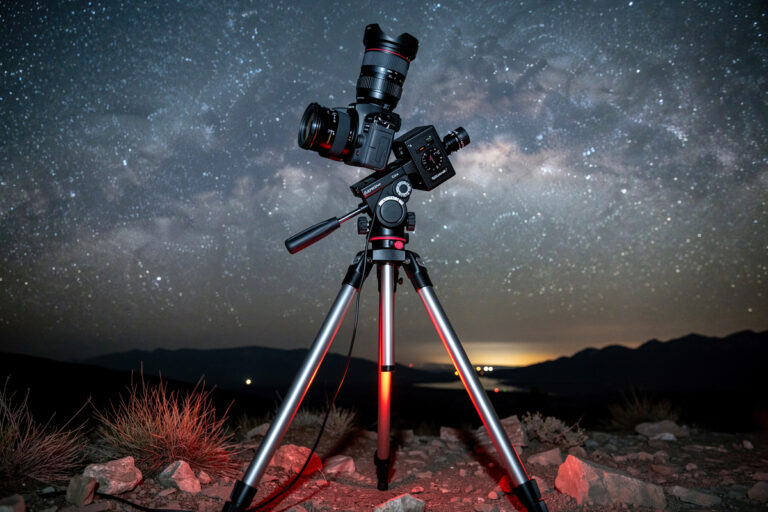
May 8, 2026A star tracker mount rotates a camera at the sidereal rate, enabling exposures of 60-180 seconds without star trailing. The...
May 8, 2026
The best telescopes for astrophotography are apochromatic refractors (60-80mm, $800-2,500) for beginners and imaging Newtonians (6-8 inch, $300-800) for budget...
May 8, 2026
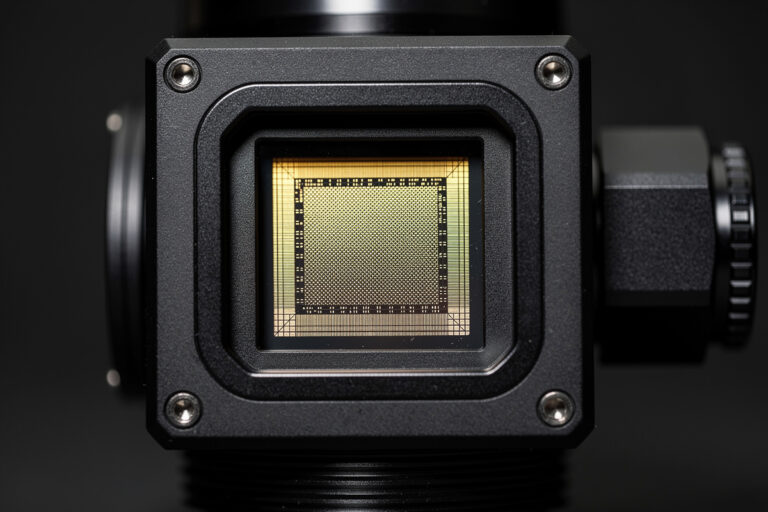
Astrophotography cameras fall into three categories: DSLR and mirrorless cameras ($300-2,000), cooled dedicated astronomy cameras ($500-5,000), and planetary cameras ($150-800)....
May 8, 2026
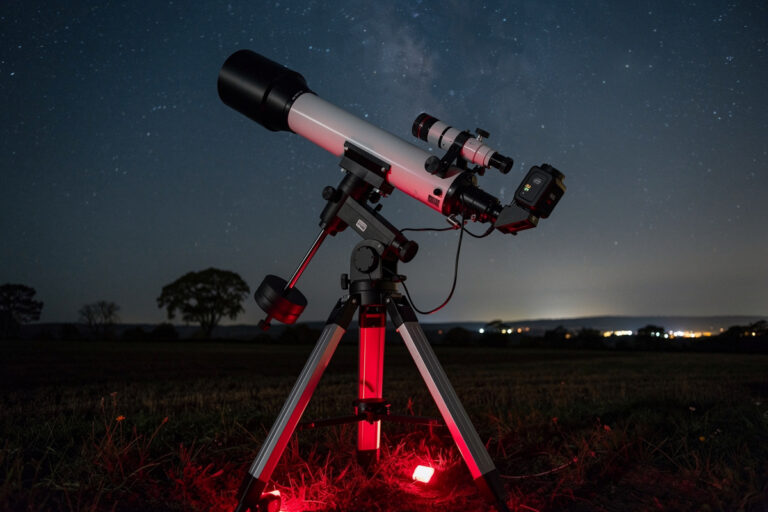
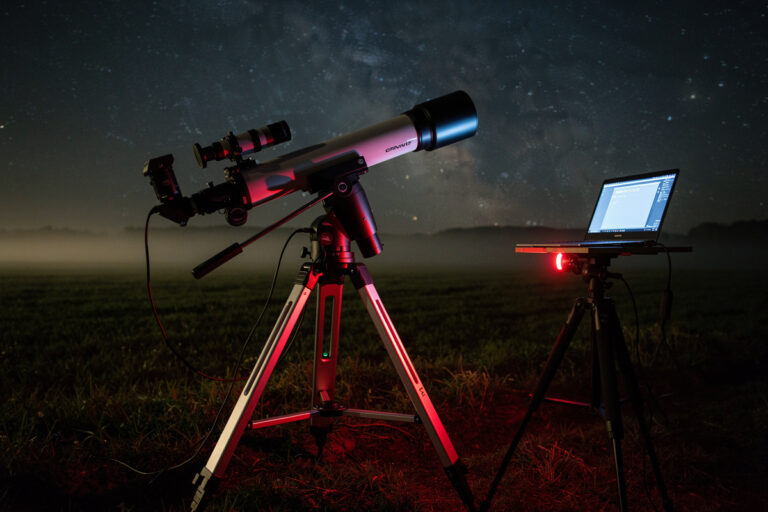
Astrophotography equipment includes a camera, telescope or lens, tracking mount, and guiding system — four components that determine image quality...
May 8, 2026
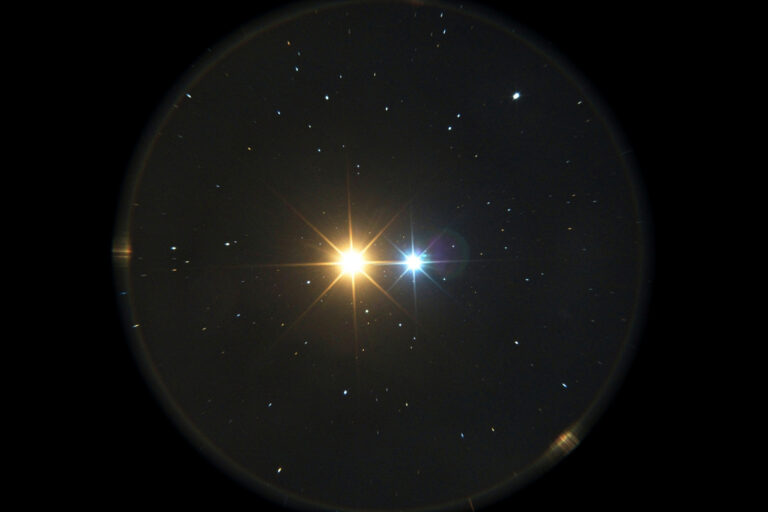
Double stars and variable stars are ideal telescope targets that show real-time changes visible in a single observing session. Albireo...
May 8, 2026
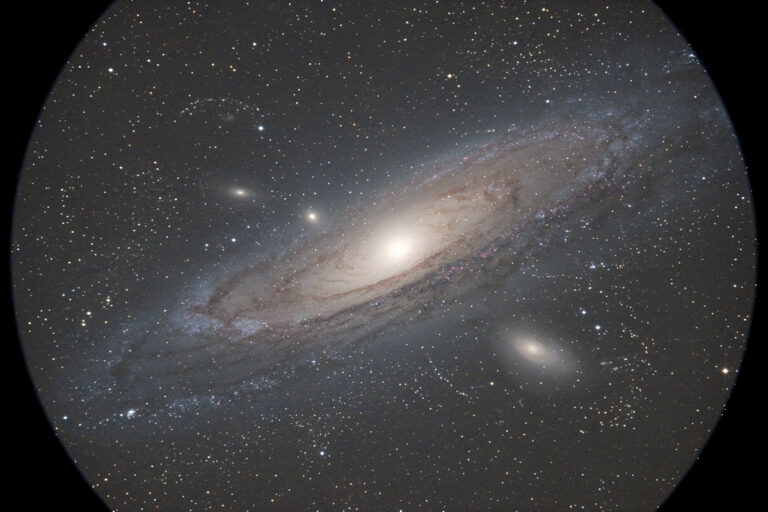
You can see galaxies with a telescope as small as 4 inches, but an 8-inch or larger aperture from a...
May 8, 2026
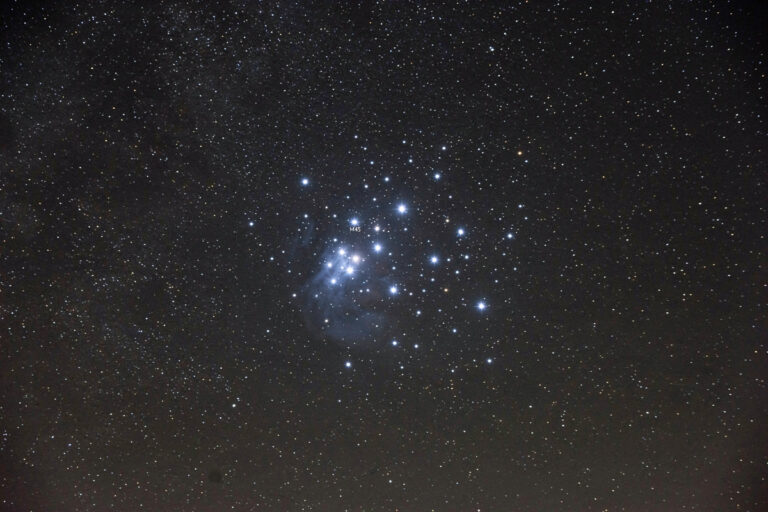
Star clusters split into two fundamentally different families: open clusters of young, loosely-bound stars in the Milky Way’s disk, and...
May 8, 2026