Best Nebulae for Amateur Telescopes: 15 Top Targets
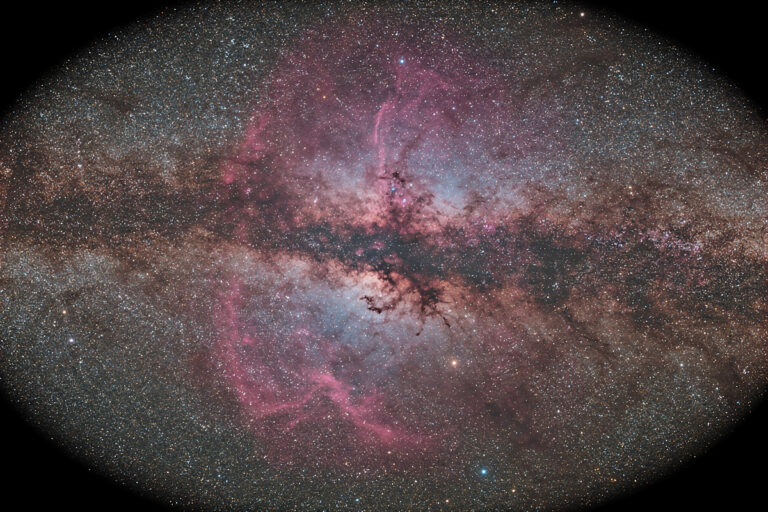
Nebulae split into three observable types — emission, reflection, and planetary — and each rewards a different combination of aperture,...
May 8, 2026Every article published on TelescopeSpecs.
Nebulae split into three observable types — emission, reflection, and planetary — and each rewards a different combination of aperture,...
May 8, 2026
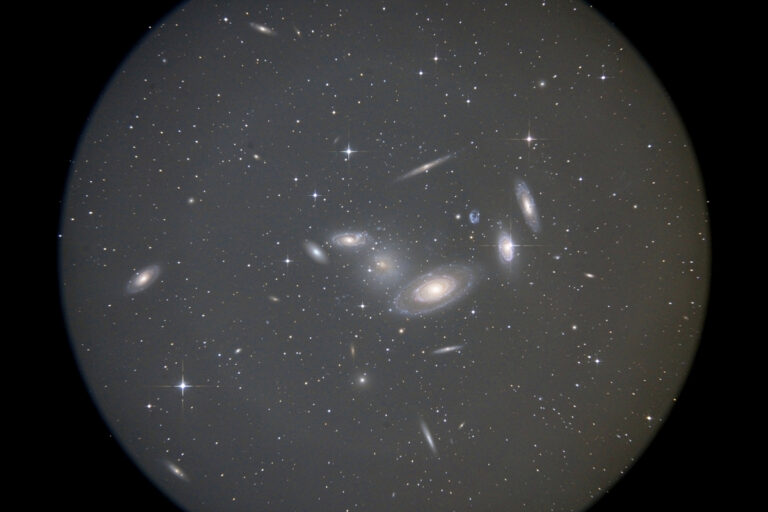
Charles Messier built his catalog as a list of fuzzy patches he wanted to ignore — objects he kept mistaking...
May 8, 2026
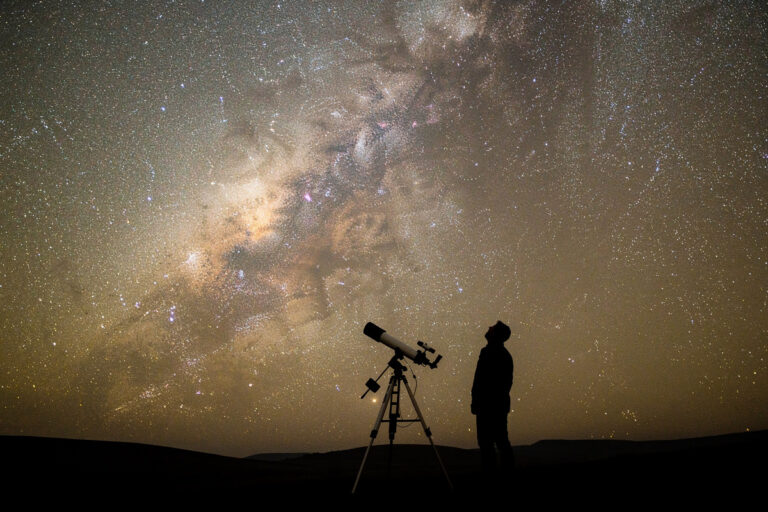
Deep sky objects include galaxies, nebulae, star clusters, and planetary nebulae located beyond our solar system. Amateur telescopes with 6-inch...
May 8, 2026
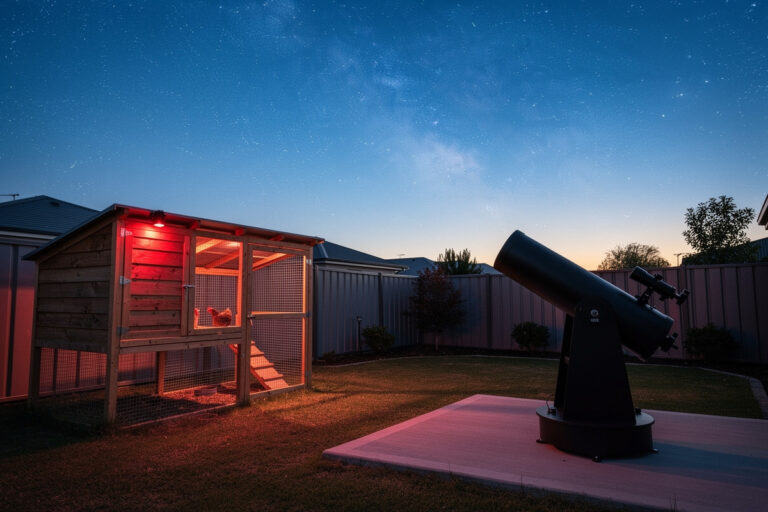
A backyard chicken coop with bright white security lighting can wash out 80-90% of the visible-magnitude stars from a backyard...
May 8, 2026
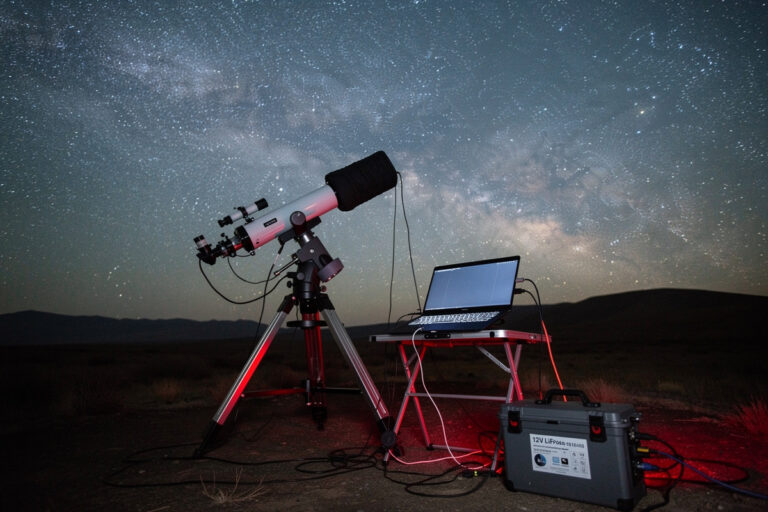
Remote astrophotography means controlling your telescope, mount, camera, focuser, and filter wheel from inside the warm house — or from...
May 6, 2026
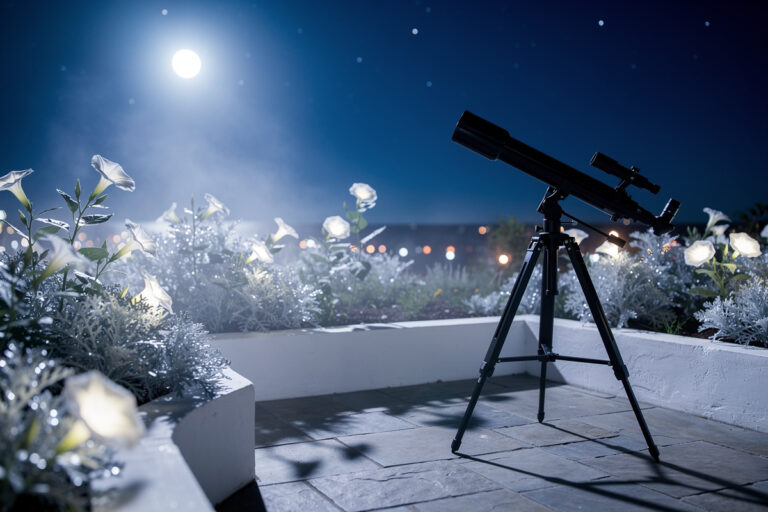
A moon garden surrounding an observing patio solves a problem most amateur astronomers don’t realize they have: the 20-30 minutes...
May 4, 2026
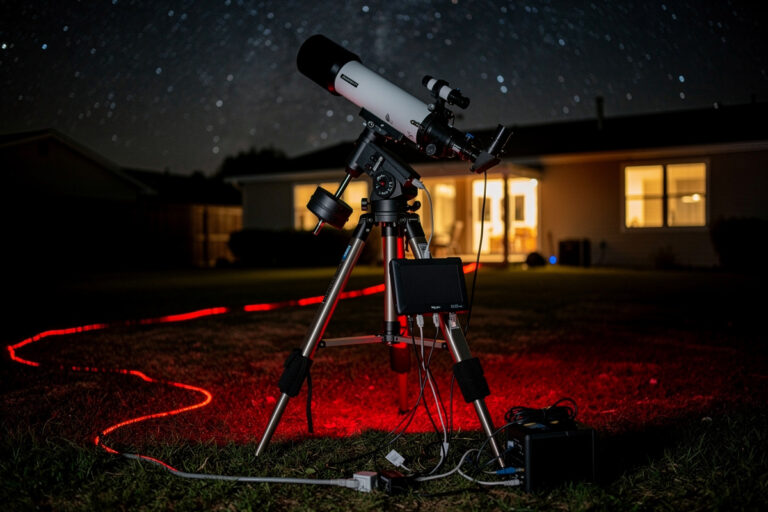
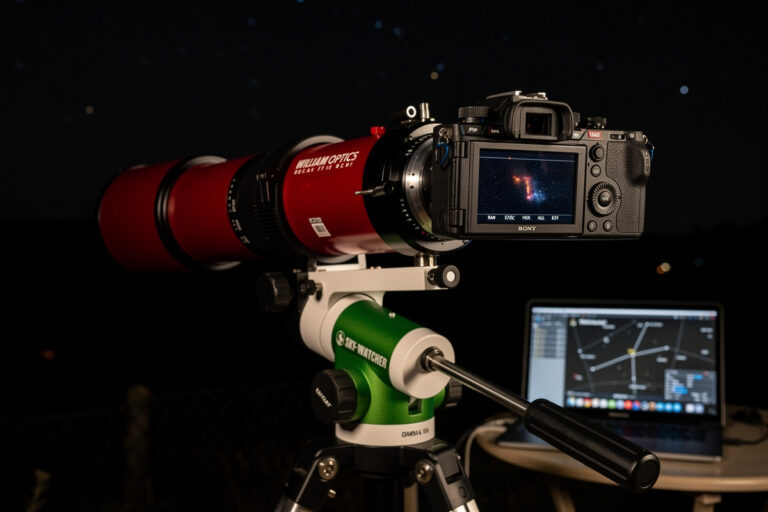
For most astrophotographers, a 12V 30Ah LiFePO4 power tank (around 384 Wh of usable capacity) runs a typical equatorial mount,...
May 3, 2026
Best cameras for deep-sky astrophotography. Sensor properties, full-frame vs APS-C, stock vs astro-modified vs cooled cameras, pixel scale, and integration…
April 30, 2026
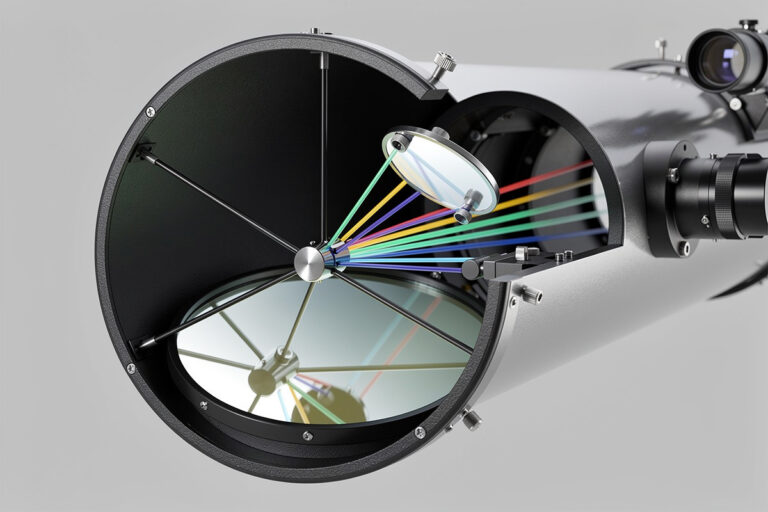
Telescope collimation is the process of aligning the primary and secondary mirrors in a reflector telescope so that all light...
April 30, 2026
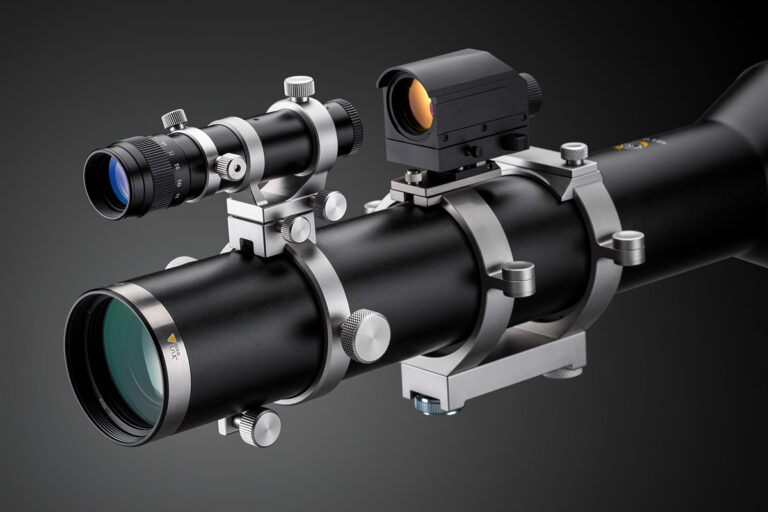
The best telescope finder for most observers is a red dot reflex sight like the Telrad ($45) or Rigel QuikFinder...
April 30, 2026
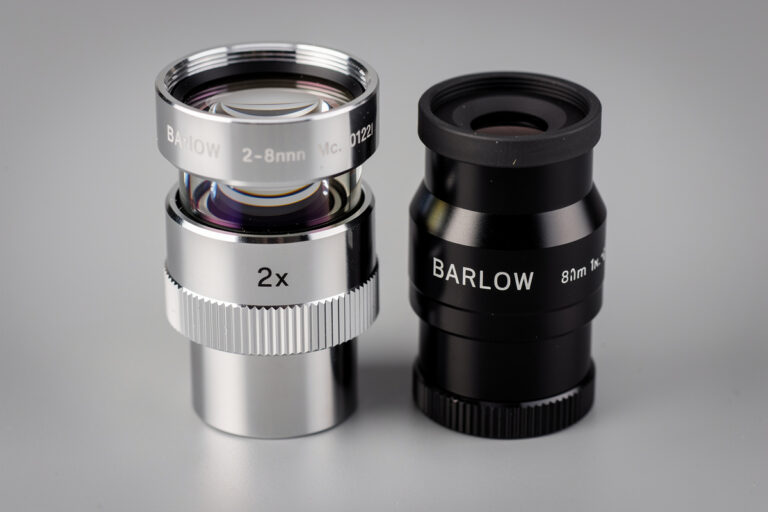
The best Barlow lenses in 2026 are the GSO 2x APO ($45), Apertura 2x ($40), and Celestron X-Cel LX 2x...
April 30, 2026
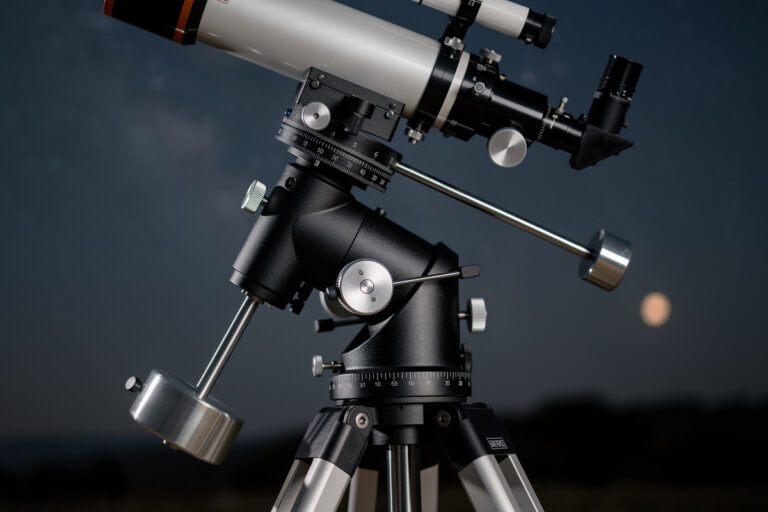
Telescope mounts come in three main types: alt-azimuth for intuitive pointing, equatorial for tracking celestial motion, and GoTo computerized mounts...
April 30, 2026